
Golf Simulator Blog
Free tips & advice for your home golf simulator
How to Plan a Golf Simulator Around an Existing Room
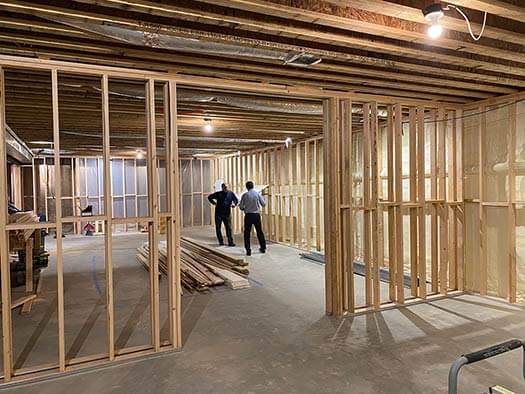
If you are thinking about adding a golf simulator, one of the first questions you probably have is where it is actually going to go. Not just if it can fit, but if it will feel right in your home. This is where a lot of decisions start to take shape. The room you choose will impact everything from how comfortable it feels to swing, to how often you actually use it once it is installed. If you are still figuring out sizing, it helps to understand how much space you need for a home golf simulator before locking anything in.
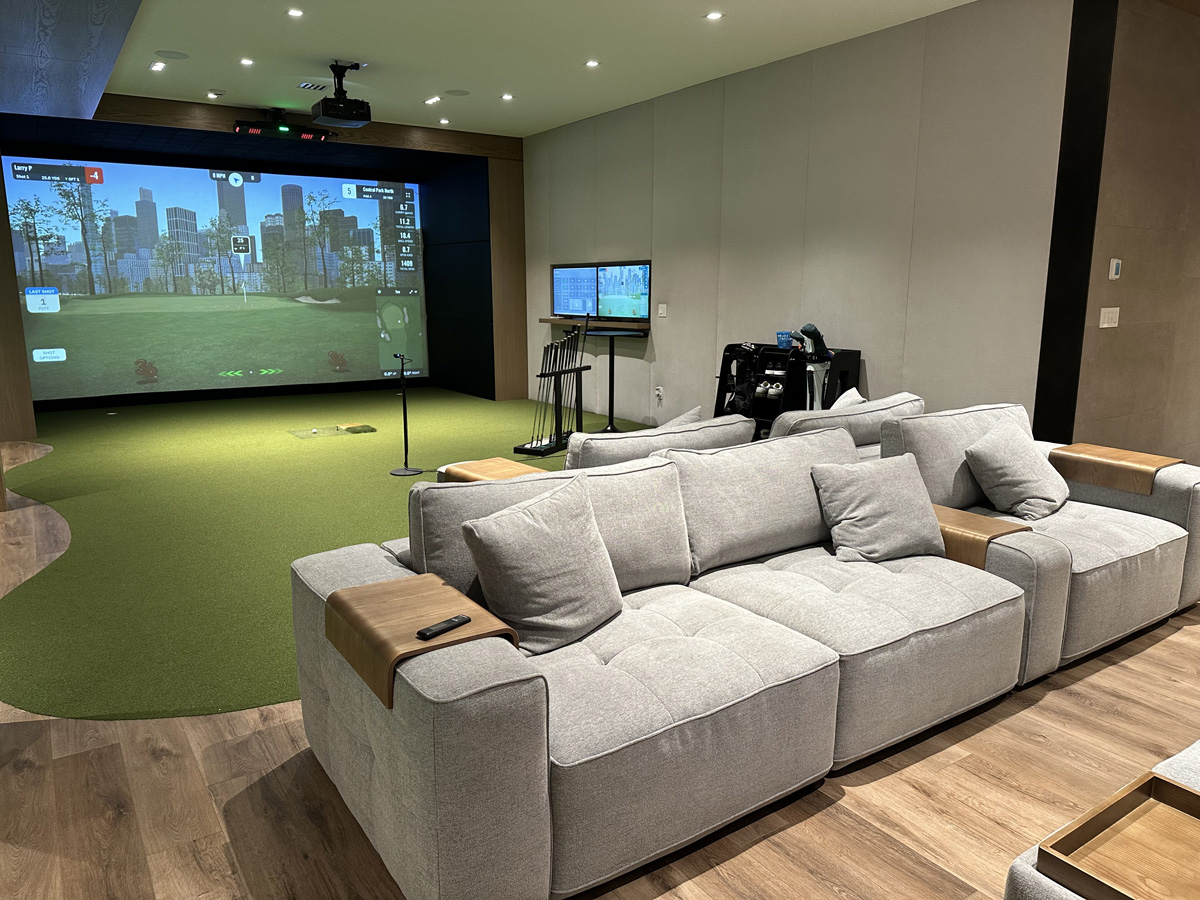
Start With How the Room Feels Not Just the Measurements
Measurements matter, but they are not the full story. Two rooms with the same dimensions can feel completely different once you are standing in them with a club in your hand. Ceiling height, lighting, and how enclosed the space feels all play a role in whether the simulator will feel natural or restrictive. Before getting into specs, you should picture yourself taking a full swing with confidence. If it feels tight now, it will feel even tighter once everything is installed.
Ceiling Height vs Usable Height
It is not just about the number on paper. You need to think about light fixtures, fans, beams, and anything else that drops into your swing space. These are the things that actually impact how comfortable you feel when swinging.
Room Shape and Orientation
A long narrow room behaves very differently than a wider open space. The way the simulator is positioned inside that room can completely change how natural everything feels once you start using it.
Think Beyond the Screen When You Picture the Setup
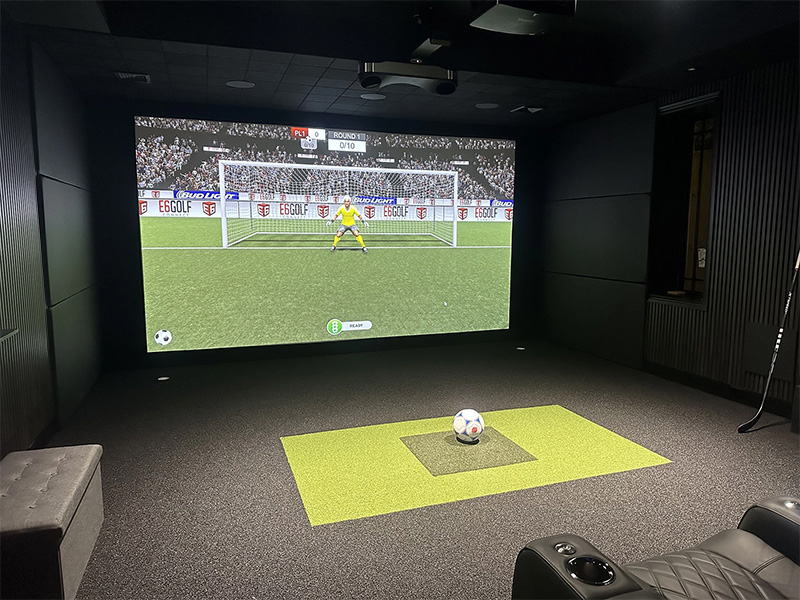
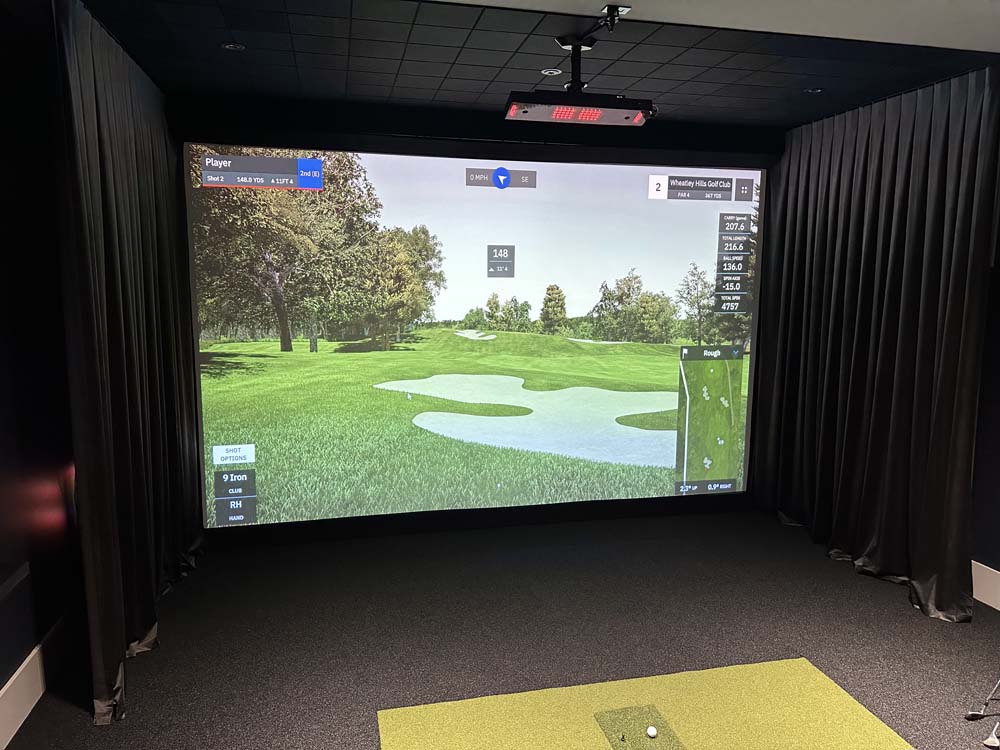
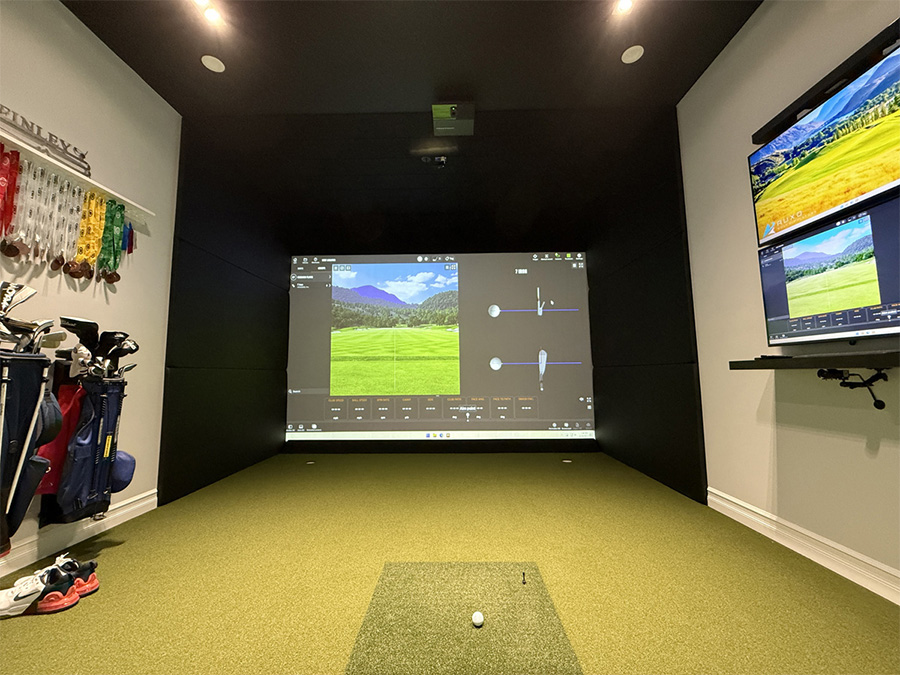
A golf simulator is more than just a screen on a wall. You need space to swing, step back, and move around without feeling cramped. When people only think about the screen size, they end up underestimating how much room is really needed for everything to work comfortably. Whether you are exploring a garage golf simulator or considering a basement golf simulator, the surrounding space matters just as much as the hitting area.
Your Hitting Area Matters More Than You Think
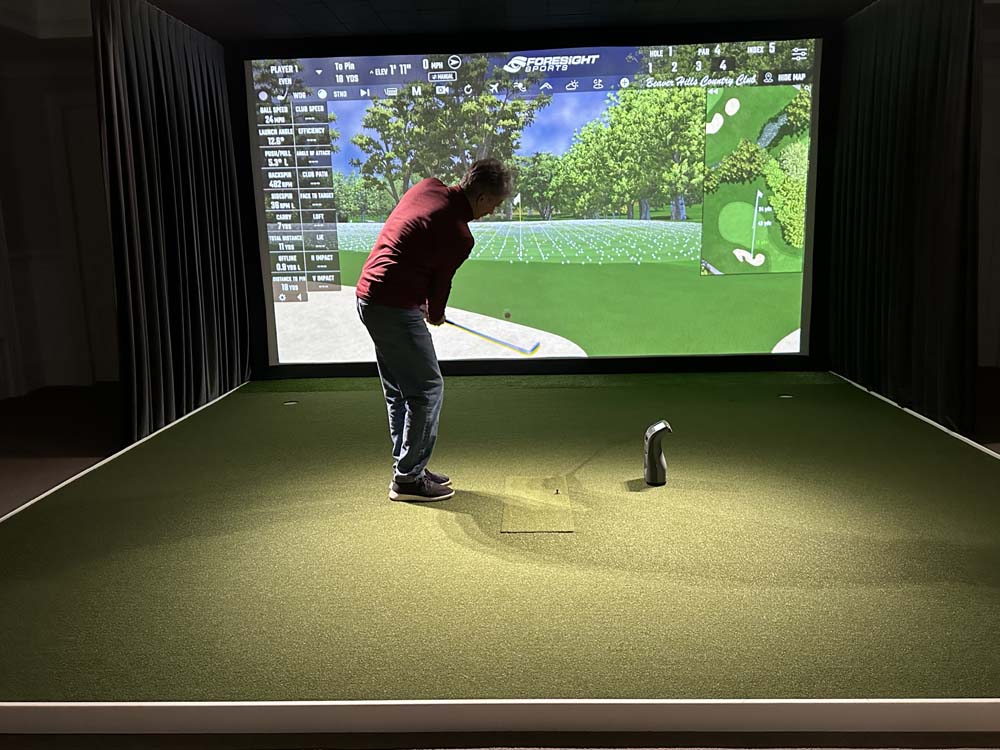
You need enough room to swing freely without adjusting your motion. If you feel like you have to be careful with your swing, it will take away from both the experience and your ability to practice effectively.
Space Around You Still Matters
Even when you are not swinging, you will be moving around the room. Whether it is resetting, watching a shot, or having someone else in the space, that extra room makes a big difference in how natural everything feels.
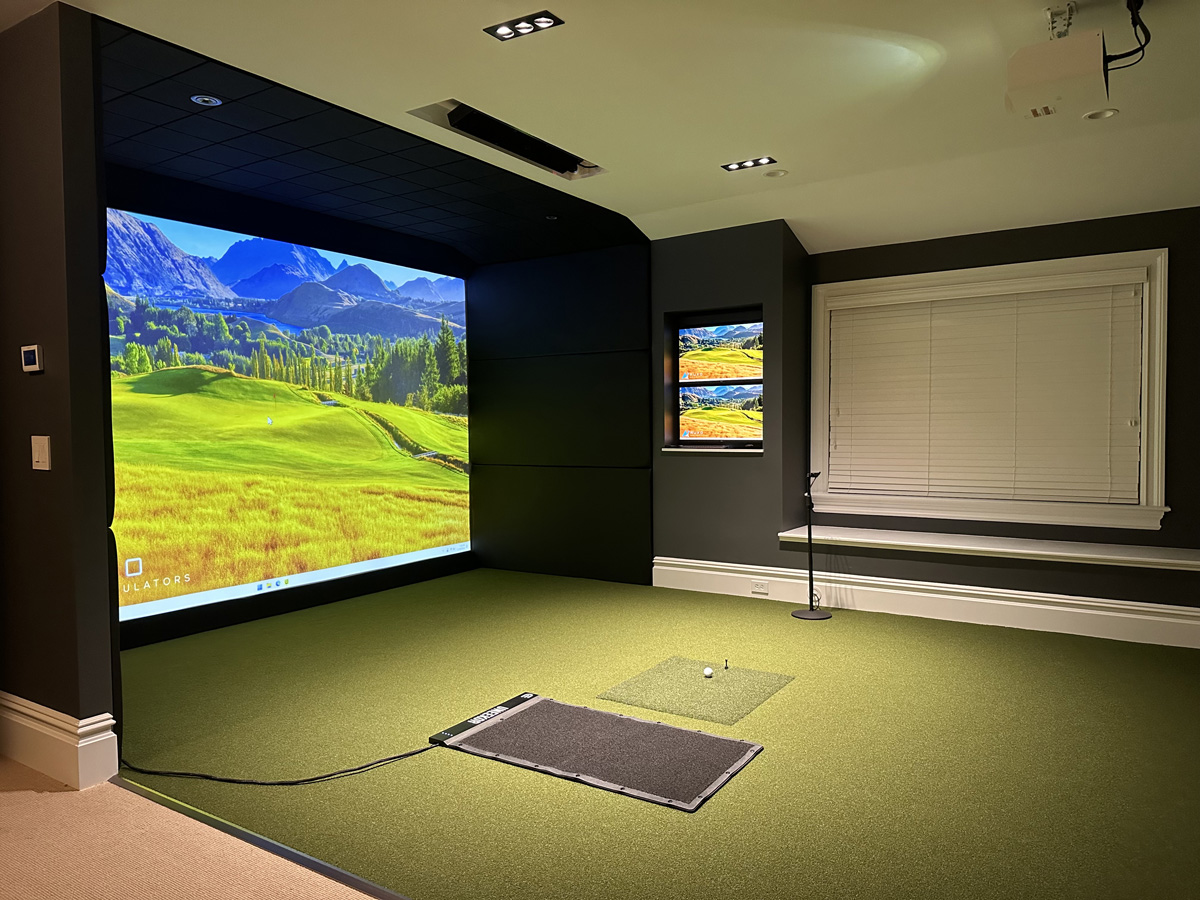
Look for What Could Get in the Way Early
Every room has its own challenges. Some are obvious, others are easy to overlook at first. Catching these early helps avoid a setup that feels compromised later on.
- Ceiling obstructions: Beams, soffits, and fixtures can limit your swing even if the ceiling height looks fine.
- Lighting: Bright or poorly placed lighting can affect how the screen looks and feels.
- Room layout: Doors, windows, and entry points can interrupt how the space flows.
- Electrical setup: Poor placement can lead to visible wires and a less refined finish.
Think About How You Will Actually Use the Room
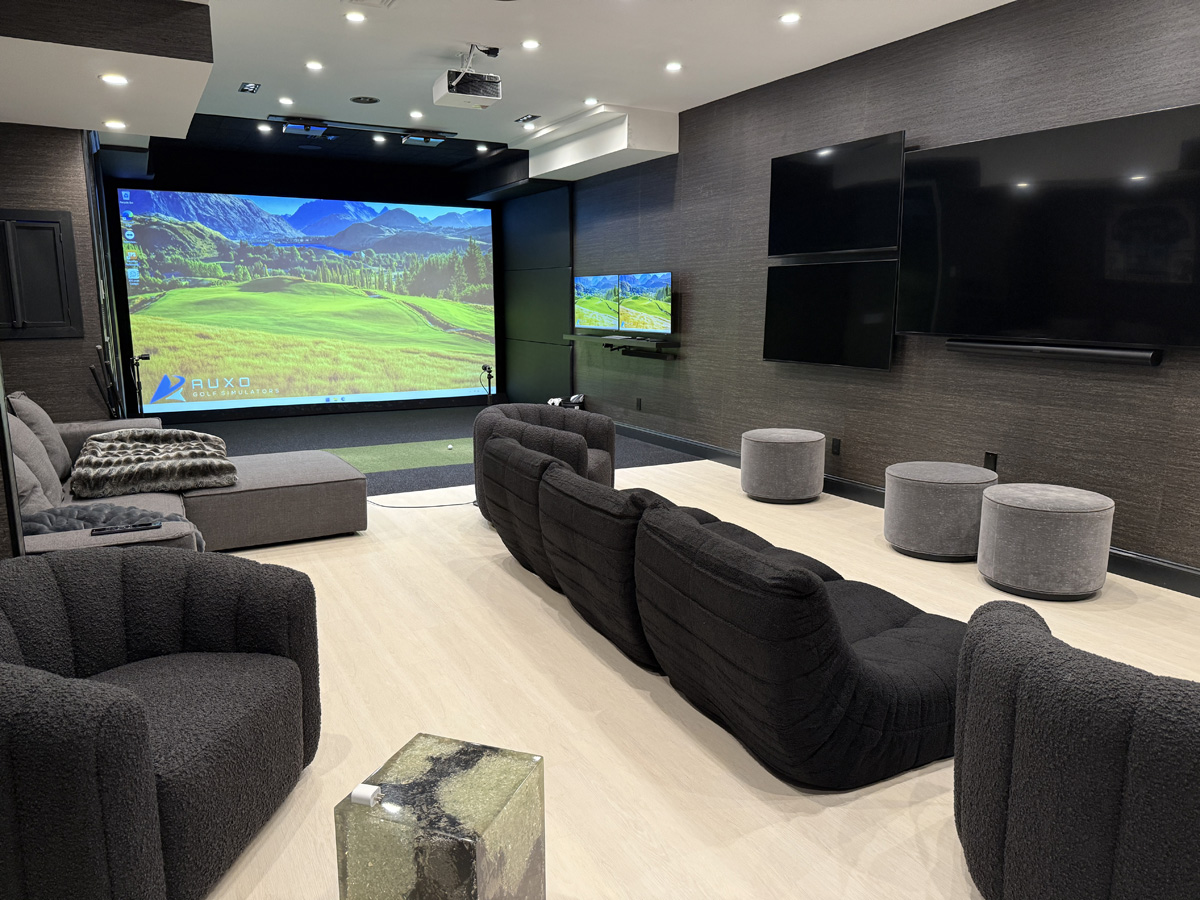
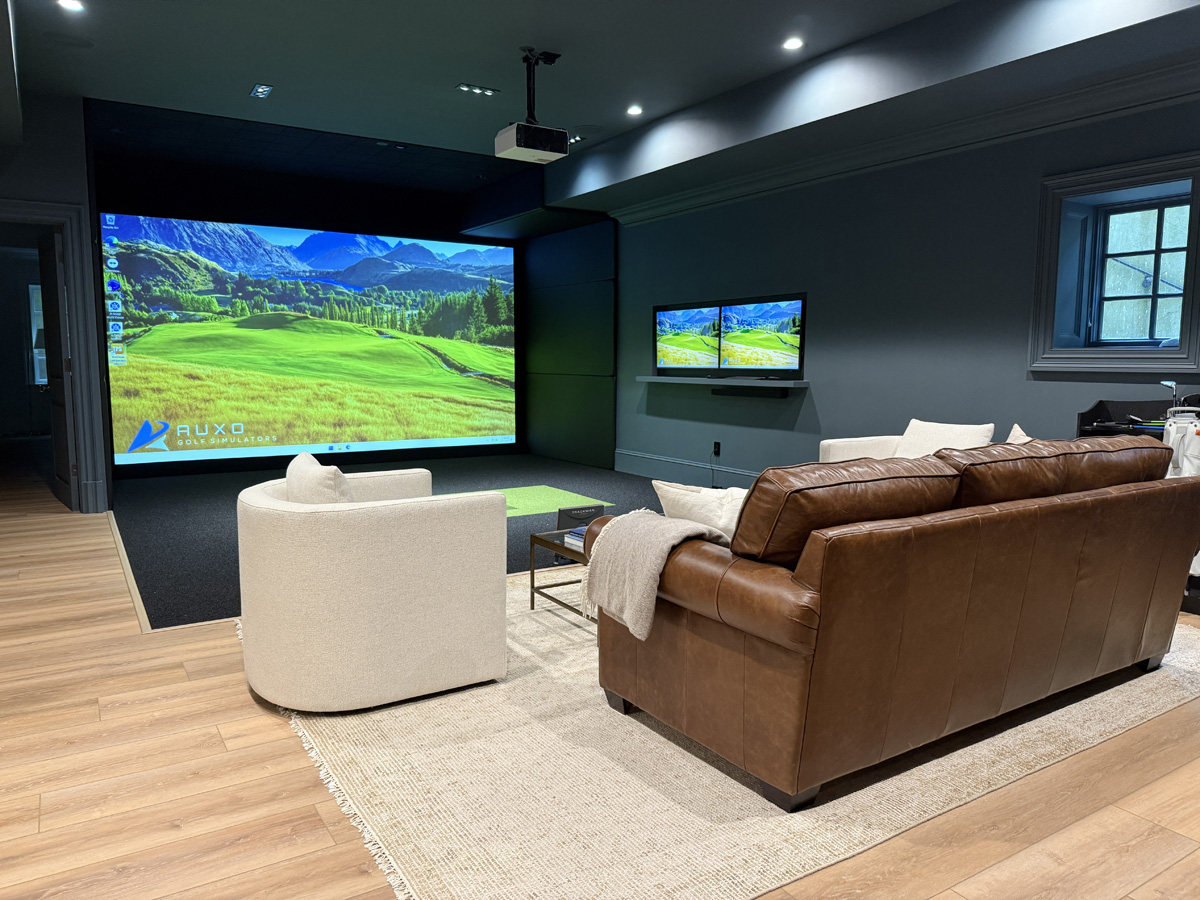
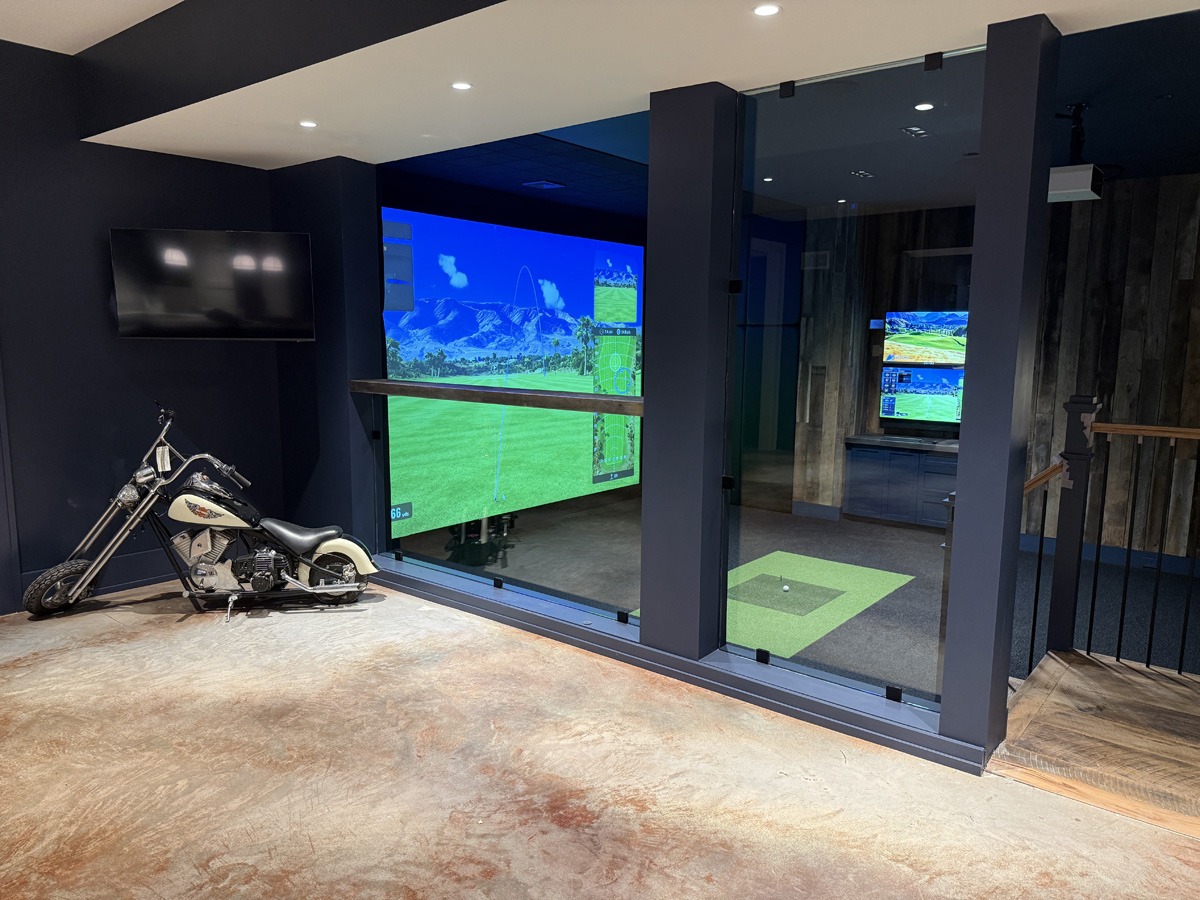
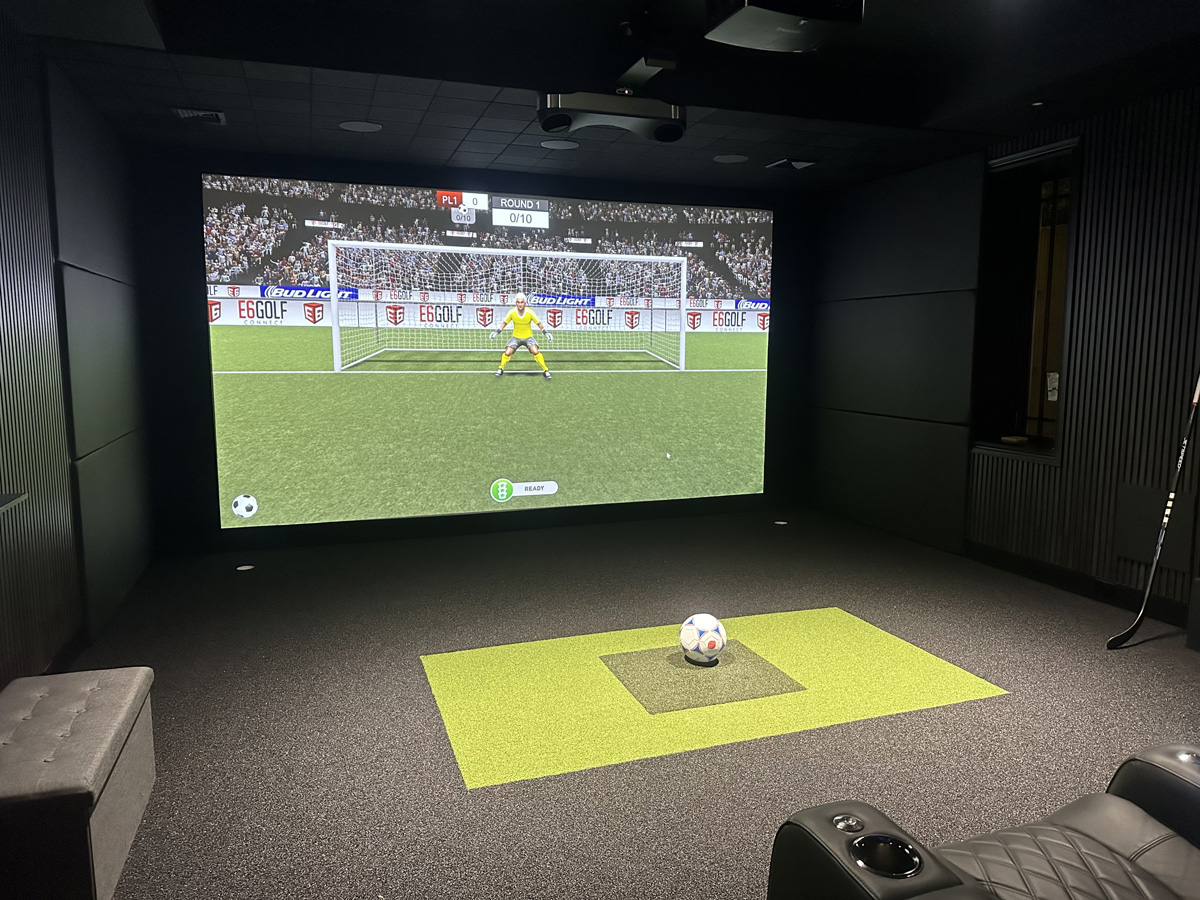
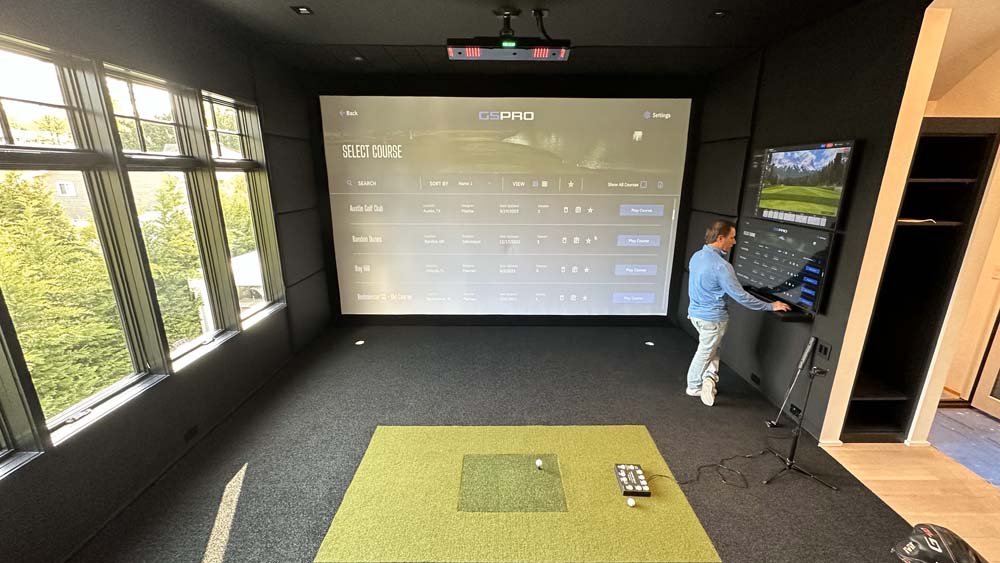
This is where things start to separate a good setup from a great one. You are not just building a place to hit balls. You are creating a space you will spend time in. The way you plan the room should reflect how you actually want to use it. Looking through real golf simulator projects can help you start to visualize what feels right for your lifestyle.
Practice vs Casual Use
If you are focused on improving your game, the layout should support consistency and repetition. If you are using it more casually, comfort and ease of use become just as important.
Using the Space With Other People
If you plan to have friends or family in the room, you need to think about where they will stand or sit. A well planned space makes it easy for others to be part of the experience without getting in the way.
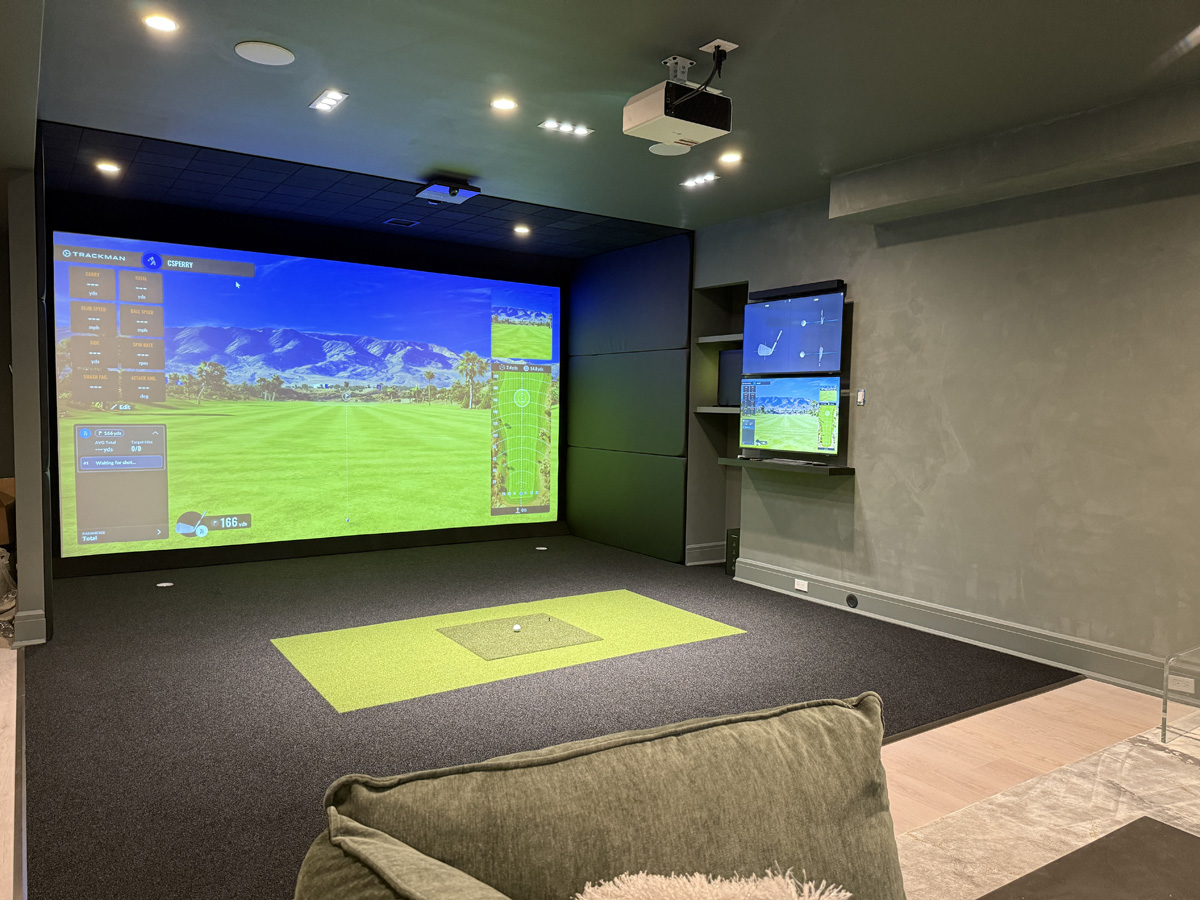
Make Sure It Feels Like Part of Your Home
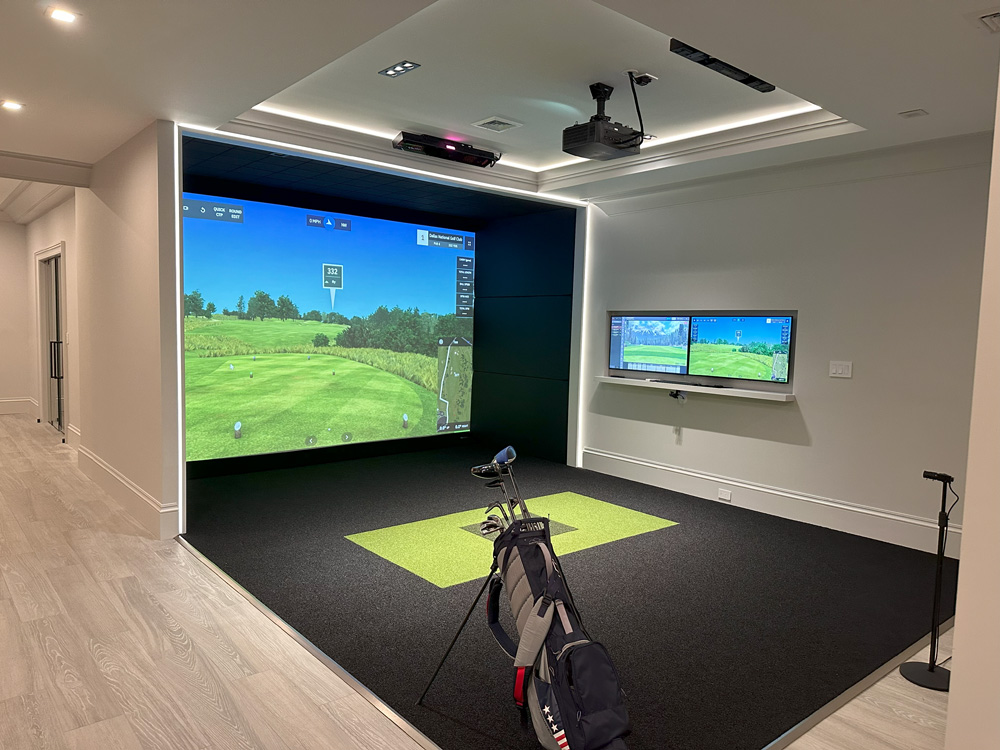
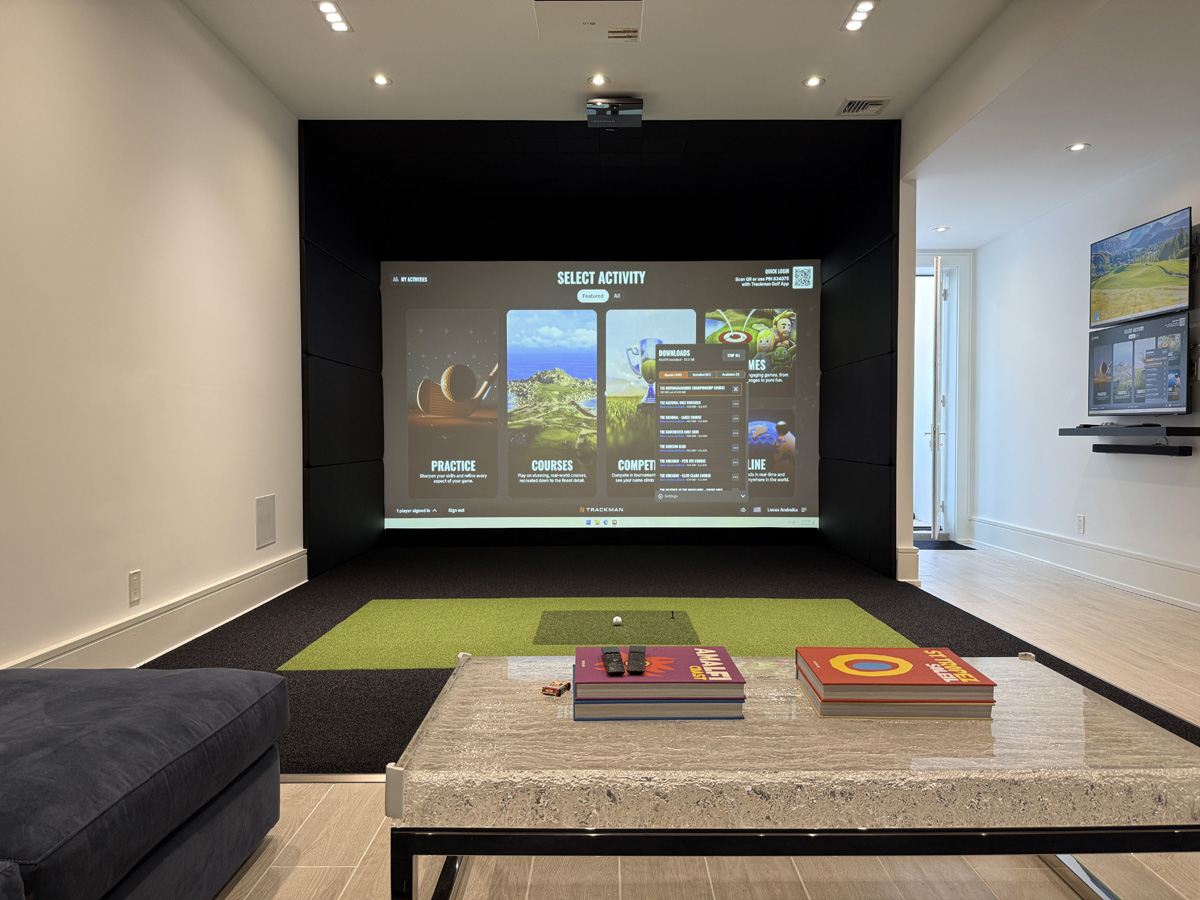
The best setups do not feel like something that was added in as an afterthought. They feel like they belong. When the simulator fits the space visually and functionally, it becomes something you naturally gravitate toward instead of something you forget about. A professionally designed golf simulator should feel like a seamless extension of your home, not a separate piece of equipment.
Clean Integration Matters
Wires, hardware, and components should not stand out. A clean setup keeps your focus on the experience and makes the room feel more complete.
Match the Style of Your Space
Whether your home is modern or more traditional, the simulator should fit that look. When everything works together, the room feels intentional instead of pieced together.
Be Open to Small Changes That Make a Big Difference
Sometimes a room is close to working, but not quite there. Small adjustments can completely change how it feels and performs. Being open to those changes early on can make the final result feel much more natural.
- Repositioning the setup: Changing orientation can create more usable space.
- Adjusting lighting: Small changes can improve both visibility and comfort.
- Improving clearance: Even a little extra space can boost confidence in your swing.
- Refining the layout: Better spacing makes the entire room easier to use.
Plan Around How You Want It to Feel Every Time You Use It
At the end of the day, this is about more than just fitting equipment into a room. It is about how the space feels every time you step into it. When the layout, flow, and design are all working together, the experience becomes something you look forward to instead of something that feels like a compromise.
Get Your Dream Golf Simulator
If you are trying to figure out what could work in your home, we can help you think through the space and make sure it feels right from the start.
Some of our work