
Golf Simulator Blog
Free tips & advice for your home golf simulator
The Hidden Design Decisions That Impact Your Golf Simulator Performance
Most people assume performance comes down to the technology. They focus on the launch monitor, the software, and the brand names. But what actually separates a frustrating setup from a high-performing golf simulator is everything around it. The room, the layout, the lighting, and the install all play a bigger role than most people realize. These are the decisions that either support your swing or quietly work against it every time you step in to hit.
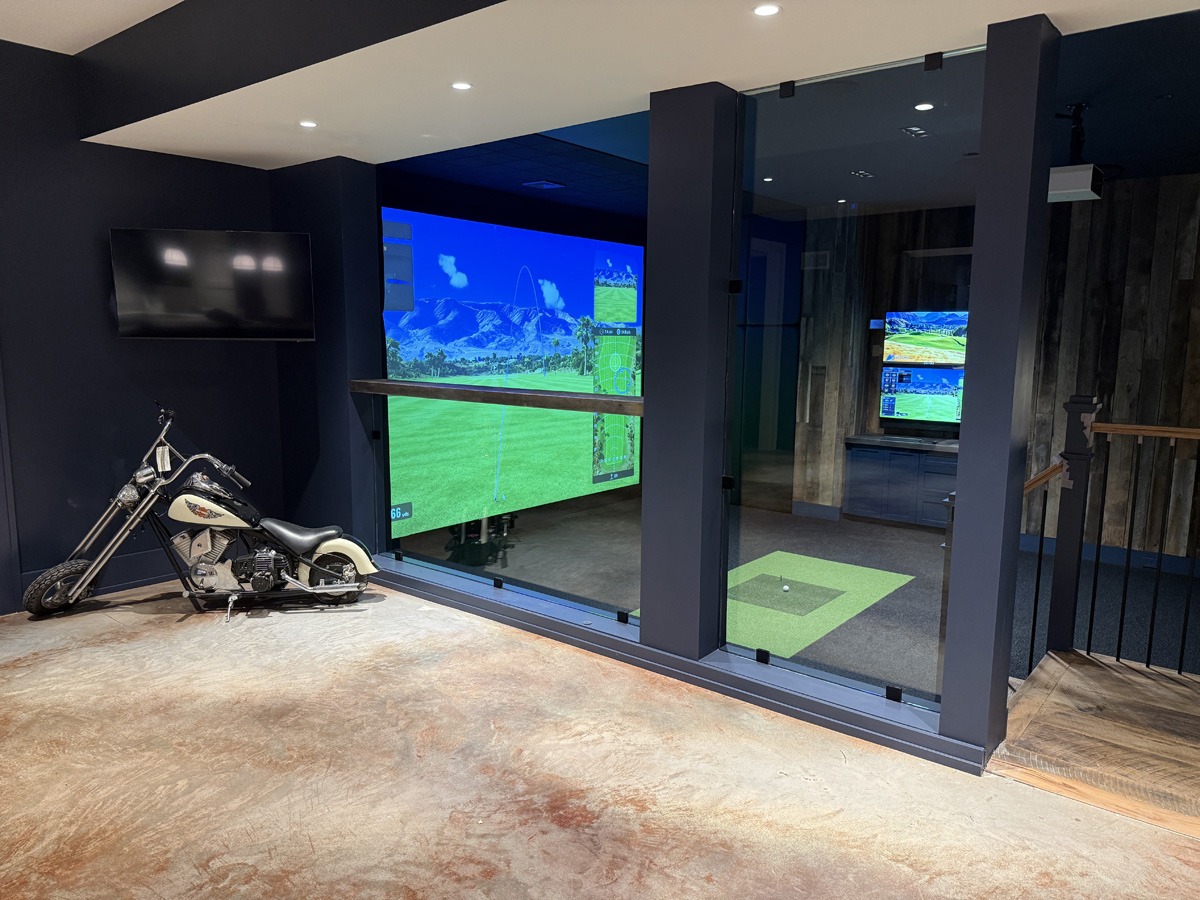
Why the room matters more than the equipment
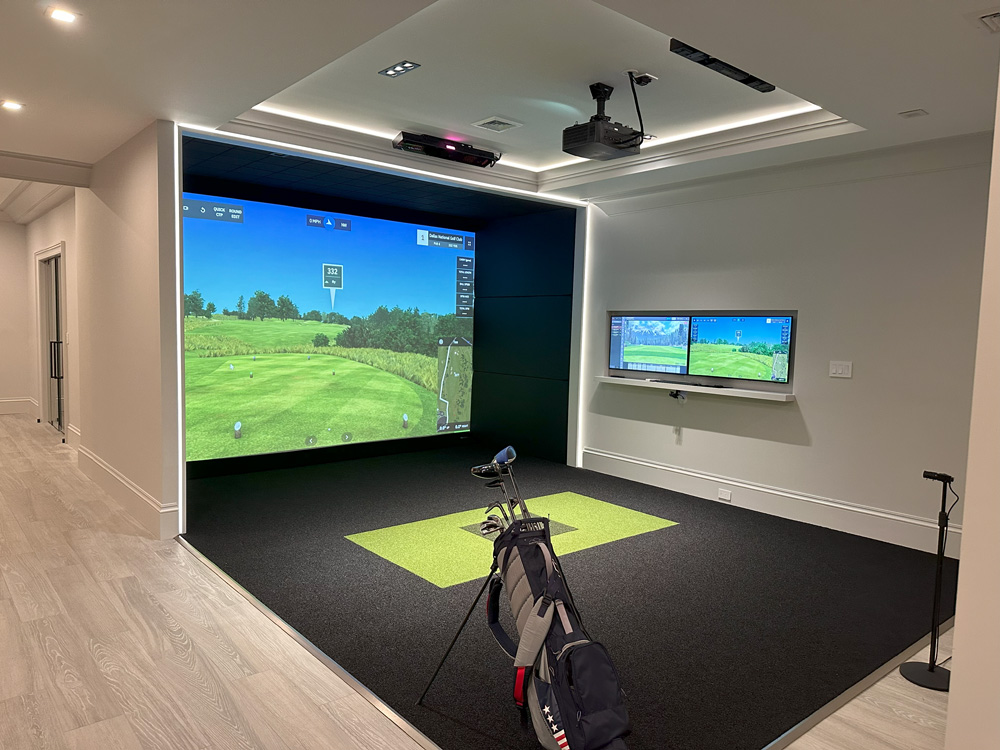
You can have the best technology available and still end up with inconsistent results if the space is not designed properly. The room controls how the system reads your shots, how comfortable you feel swinging, and how repeatable your setup is. Small oversights in the environment can create subtle issues that add up quickly over time.
Inconsistent spacing leads to inconsistent swings
If your stance changes slightly every time you step up to hit, your results will too. Proper spacing between the screen, hitting area, and surrounding walls ensures that you are always setting up in the same position. This consistency is what allows you to actually trust your data and make adjustments with confidence.
Ceiling height and swing freedom go hand in hand
Even if you technically have enough clearance, a ceiling that feels tight can change how you swing without you realizing it. Players tend to shorten their follow through or alter their motion slightly. Over time, that leads to bad habits that carry over onto the course. This is why proper planning around height and positioning is critical from the start.
Lighting can make or break your accuracy
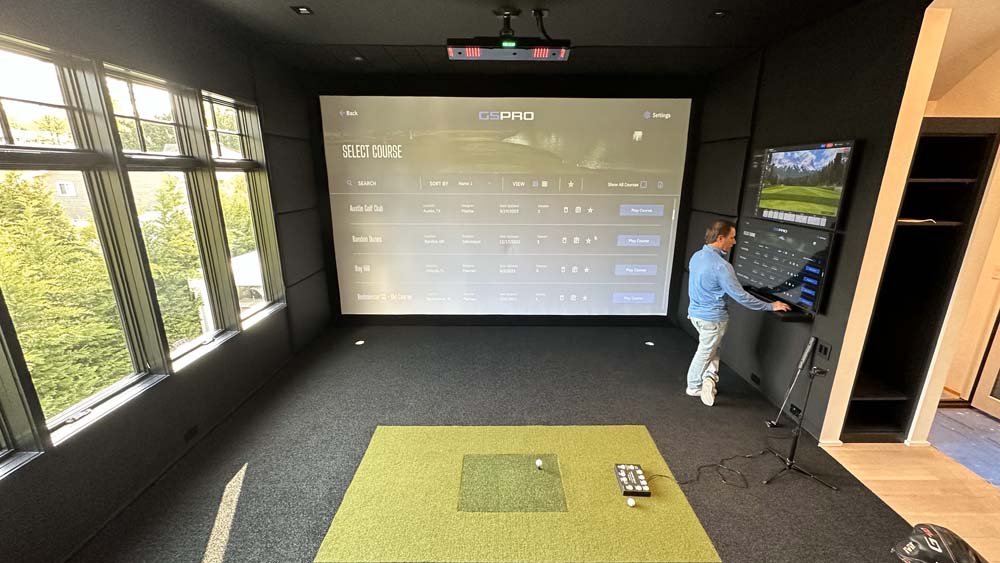
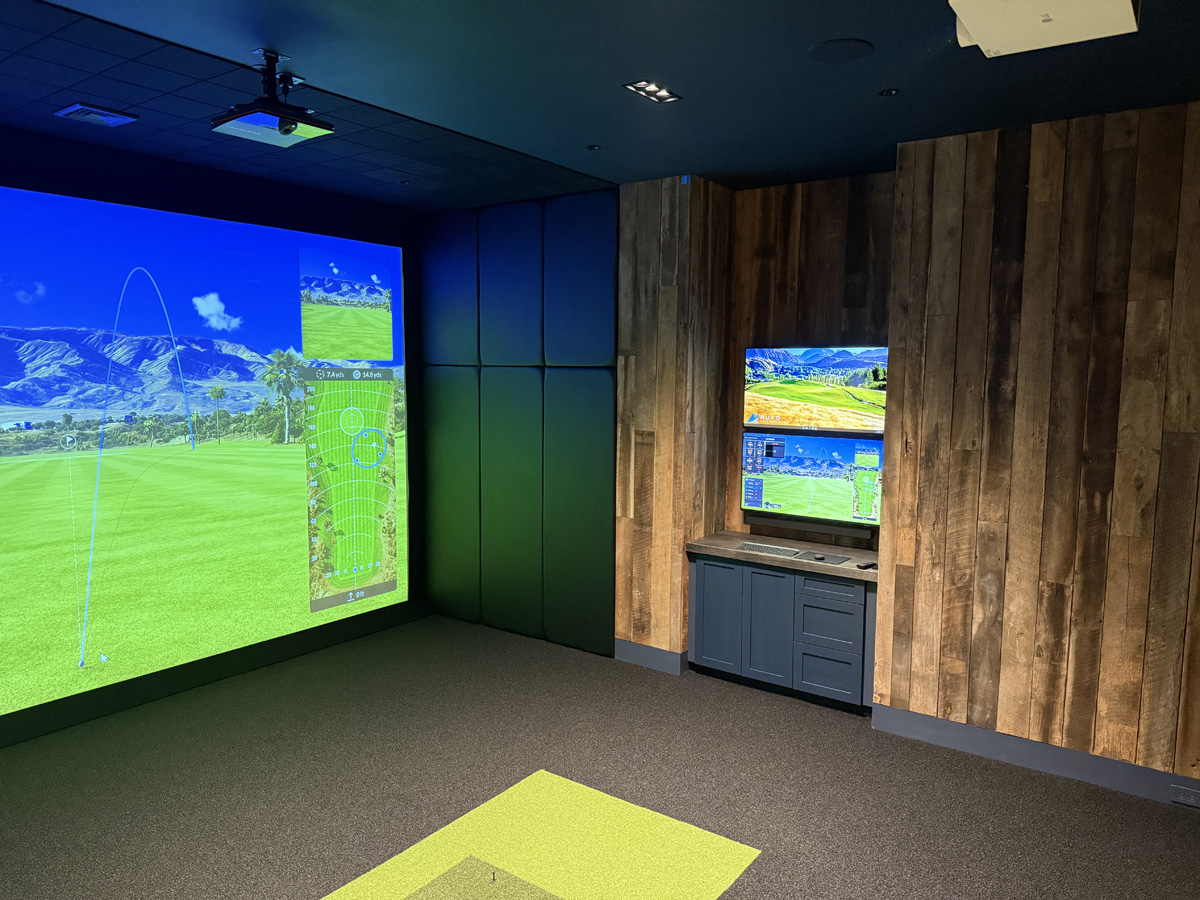
Lighting is one of the most overlooked factors in simulator performance. It directly impacts how well your system tracks the ball and how clearly you can see your shot shape. Poor lighting setups can lead to misreads, inconsistent data, and a less immersive experience overall.
Shadows interfere with ball tracking
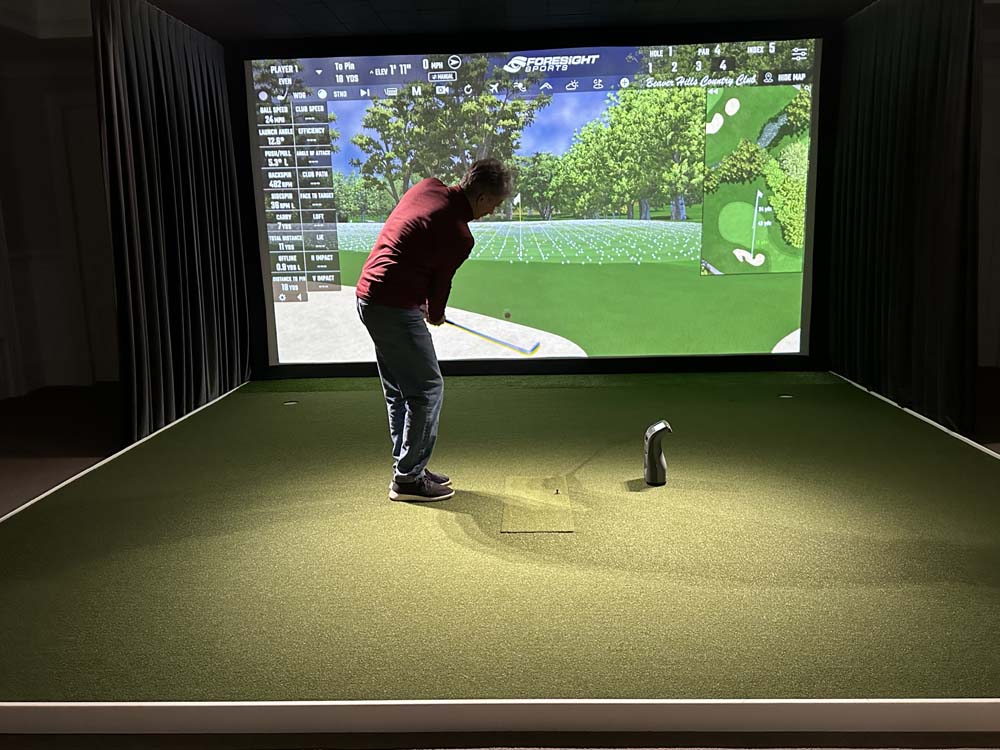
If your lighting creates shadows across the hitting area, it can affect how the system reads the ball. This is especially important for camera-based systems. Even small inconsistencies in lighting can lead to unreliable feedback, which defeats the purpose of having a simulator in the first place.
Balanced lighting improves visibility and comfort
A well-lit space should feel natural, not harsh. You want enough light to clearly see your setup and ball position, while still maintaining a strong projection image. Finding that balance is what creates a space that feels both functional and enjoyable to use.
Flooring impacts both performance and feel
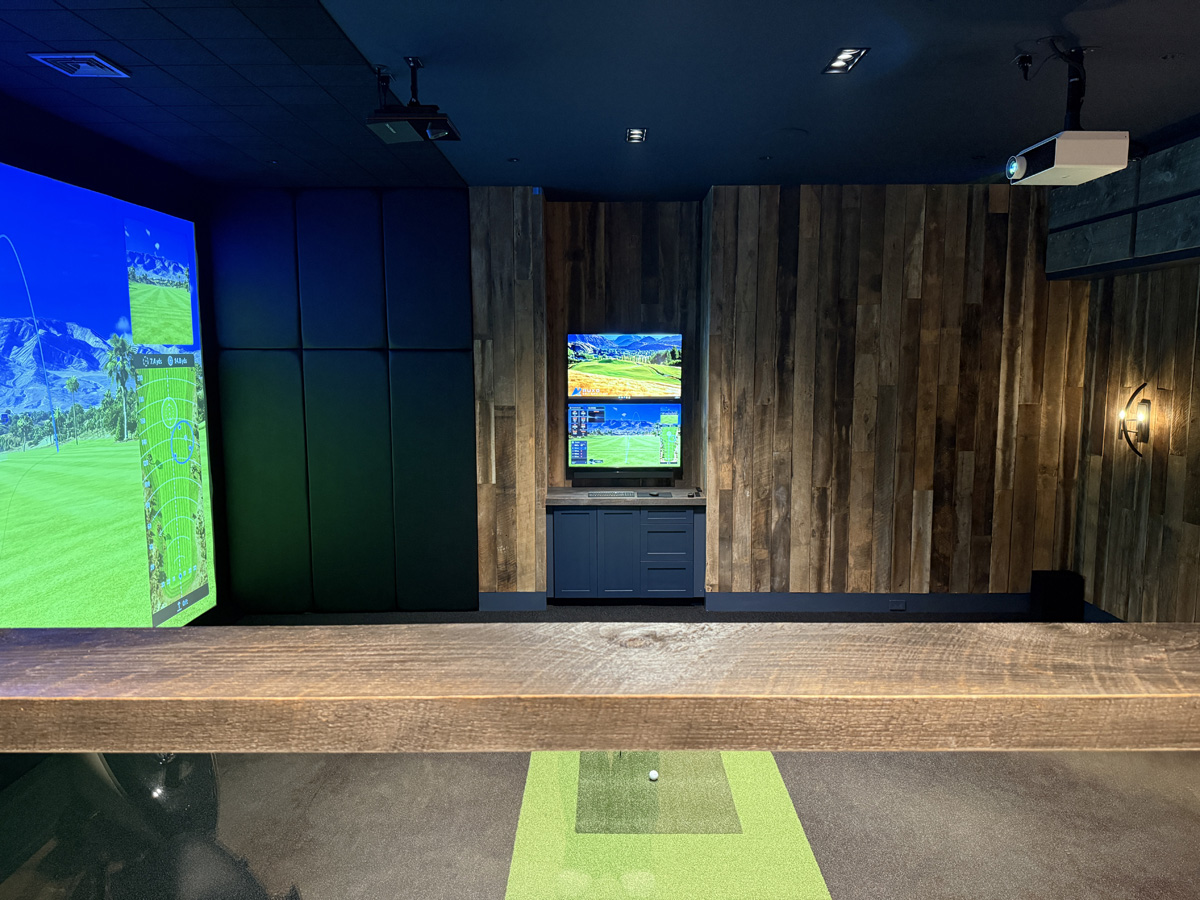
Most people think about the hitting mat and stop there. But the surrounding flooring plays a major role in how stable your stance feels and how comfortable the room is overall. A poorly designed floor can lead to subtle balance issues and unnecessary fatigue during longer sessions.
- Level hitting surface: Your mat and surrounding floor should sit flush to avoid awkward stance adjustments.
- Shock absorption: Proper materials reduce joint strain and make longer practice sessions more comfortable.
- Consistent footing: A stable surface helps you maintain balance and repeat your swing more effectively.
Screen and enclosure setup affects your perception
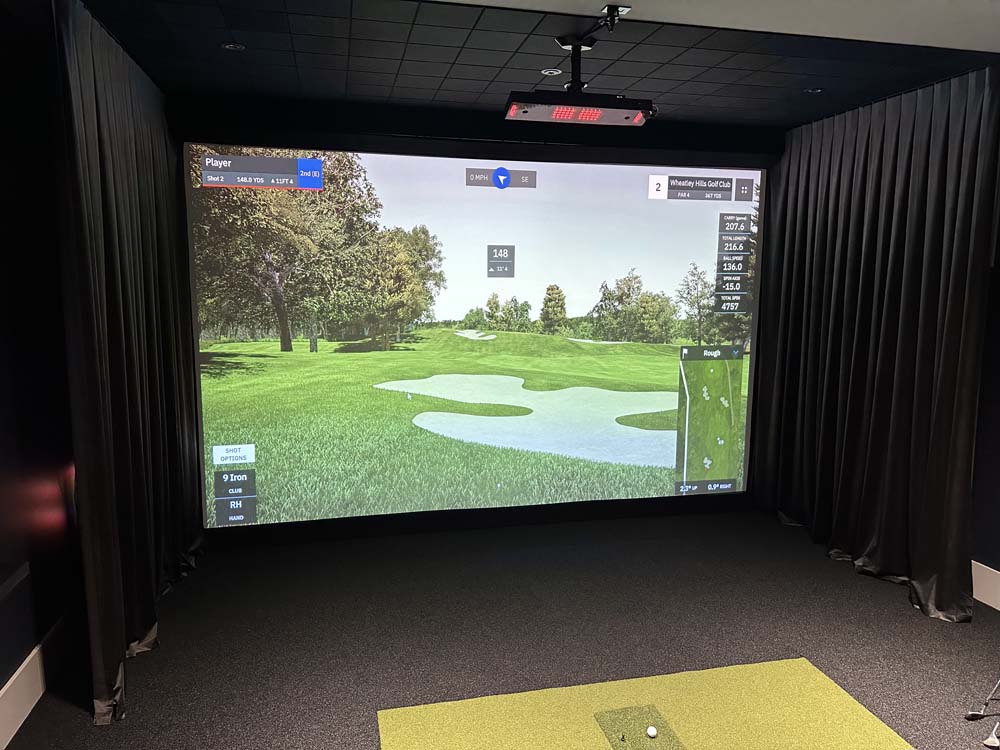
The way your screen is installed changes how you see your shot. A loose or poorly tensioned screen can distort ball flight visually, while improper placement can make distances feel off. This is one of those details that people do not notice until something feels wrong.
Screen tension impacts visual feedback
If the screen is not properly tensioned, the image can warp slightly on impact. That distortion affects how you interpret your shot shape and distance. Over time, that disconnect can make it harder to trust what you are seeing.
Proper positioning creates a more realistic experience
The distance between the hitting area and the screen needs to be dialed in. Too close and it feels cramped. Too far and it loses immersion. Getting this right is what helps bridge the gap between simulator golf and real course play.
Layout decisions determine how often you actually use it
Performance is not just about data. It is also about how often you step into the space. If the room feels awkward, cluttered, or uncomfortable, it becomes something you use less over time. The best setups are designed to feel natural and inviting from the moment you walk in.
Clean layouts remove friction
A well thought out layout keeps everything within reach without feeling crowded. This includes where clubs are stored, how the hitting area is defined, and how the room flows. When everything feels intuitive, you are more likely to use the space consistently.
Multi use design adds long term value
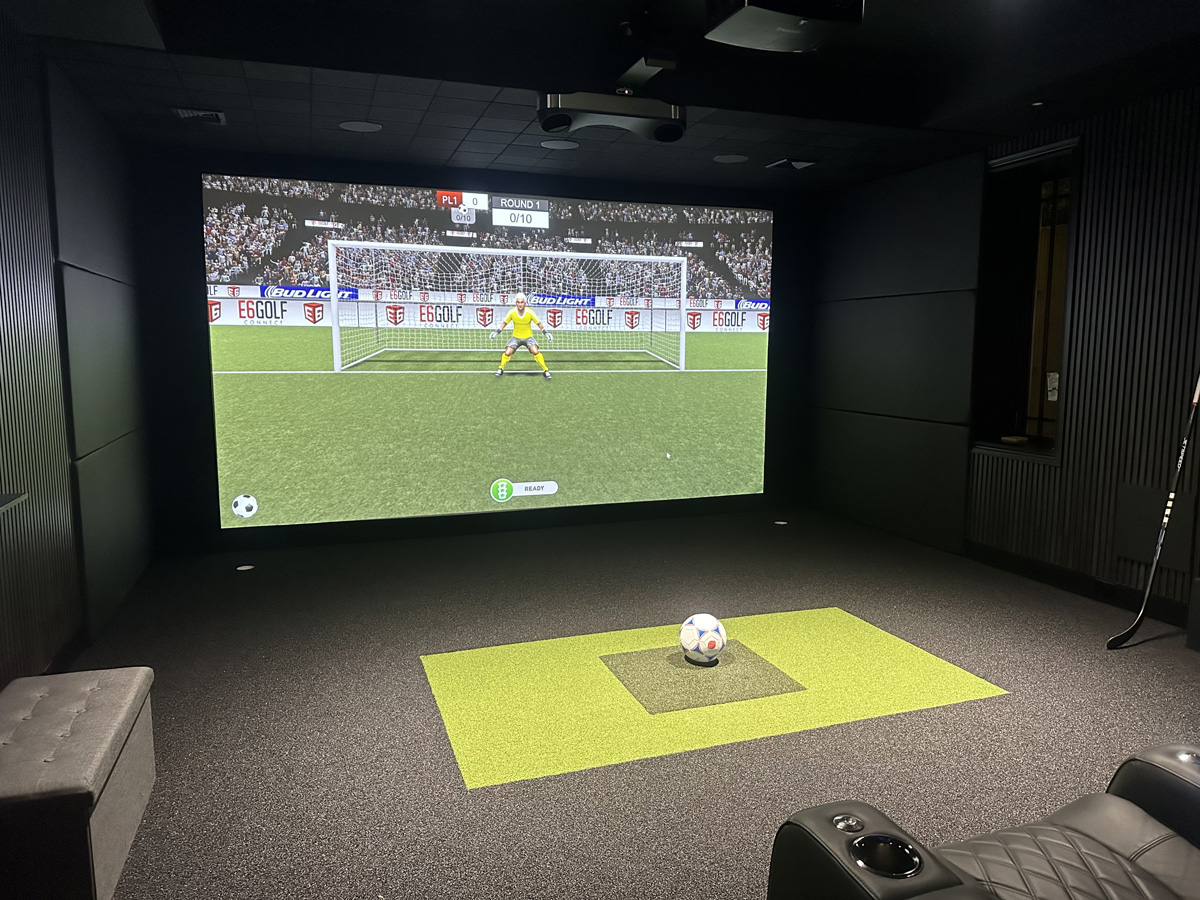
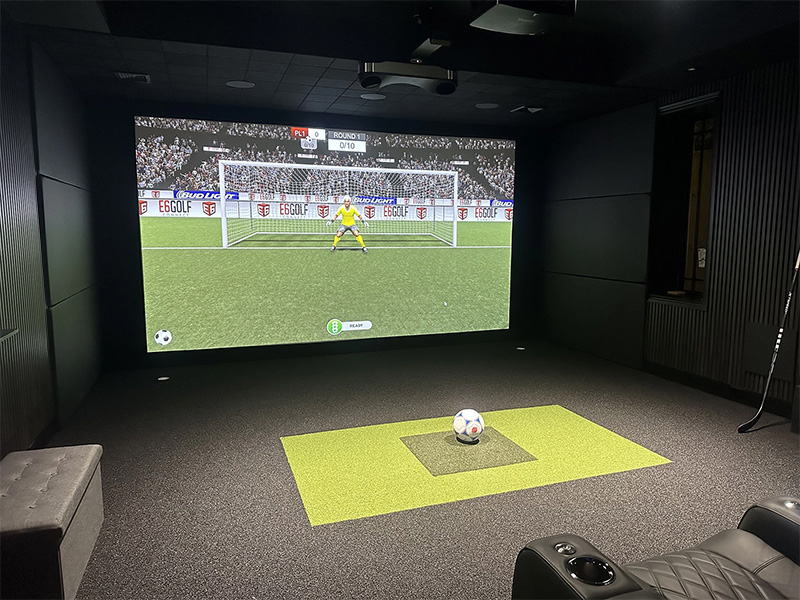
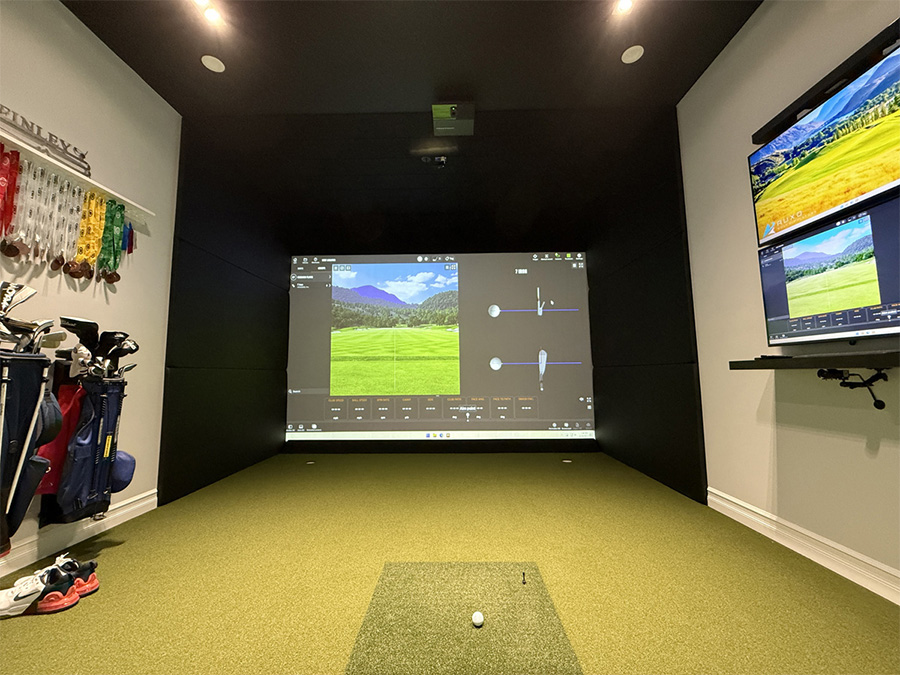
Spaces that double as entertainment areas tend to get used more. A multi sport home golf simulator setup allows you to shift from practice to games, movies, or watching live golf without changing rooms. That flexibility turns the simulator into a central part of your home instead of a niche feature.
Installation quality ties everything together
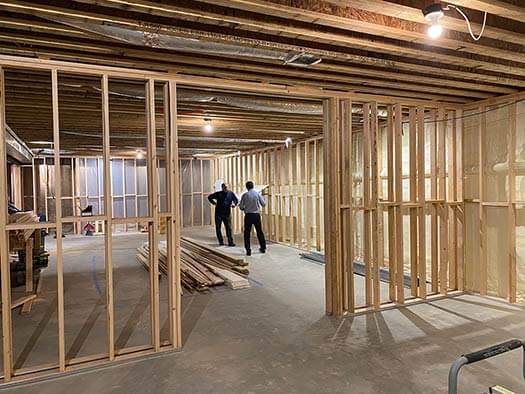
All of these design decisions only work if they are executed properly. Even small installation mistakes can throw off alignment, tracking, and overall performance. This is where the difference between a DIY setup and a professionally built system becomes clear.
- Precise alignment: Every component needs to be positioned correctly for accurate data.
- Clean integration: Hidden wiring and seamless finishes create a polished, distraction free space.
- Reliable performance: A properly installed system delivers consistent results every time you use it.
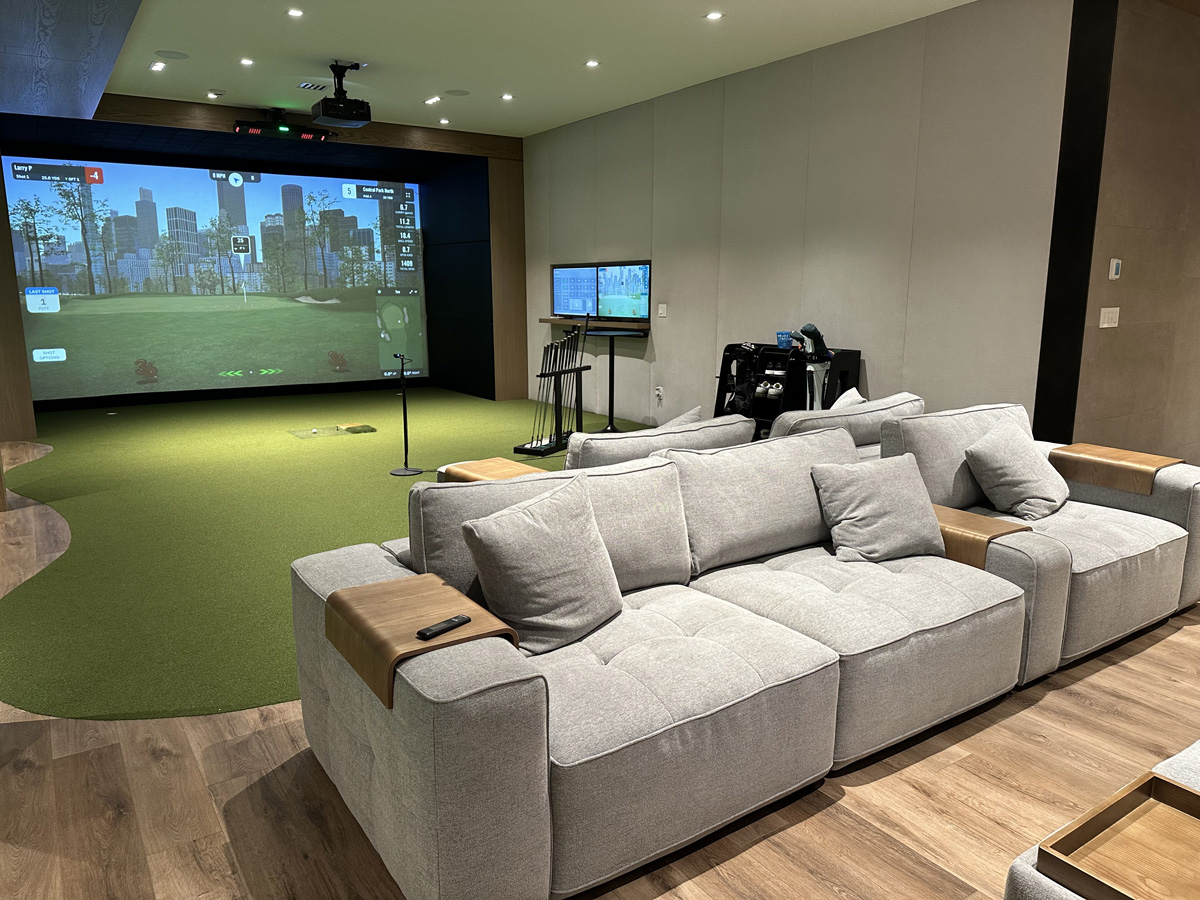
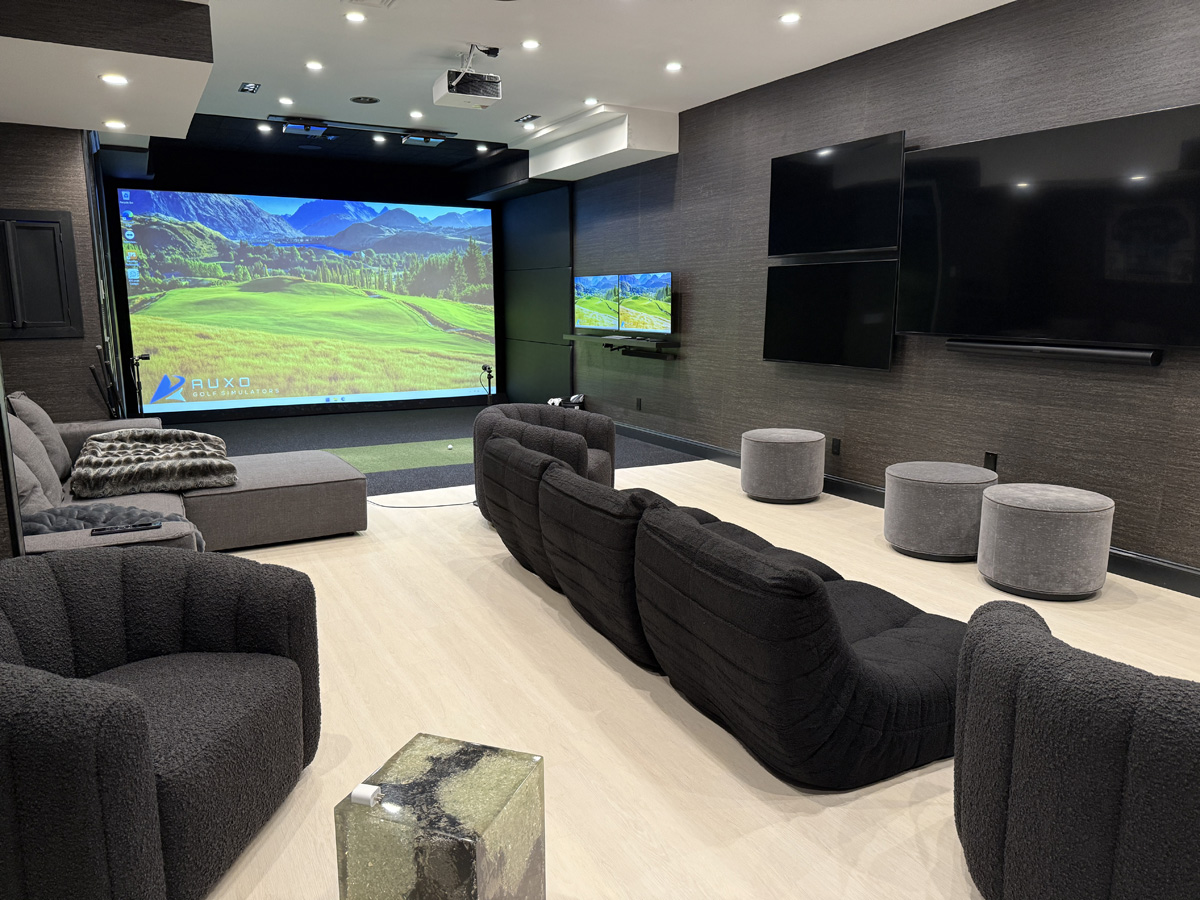
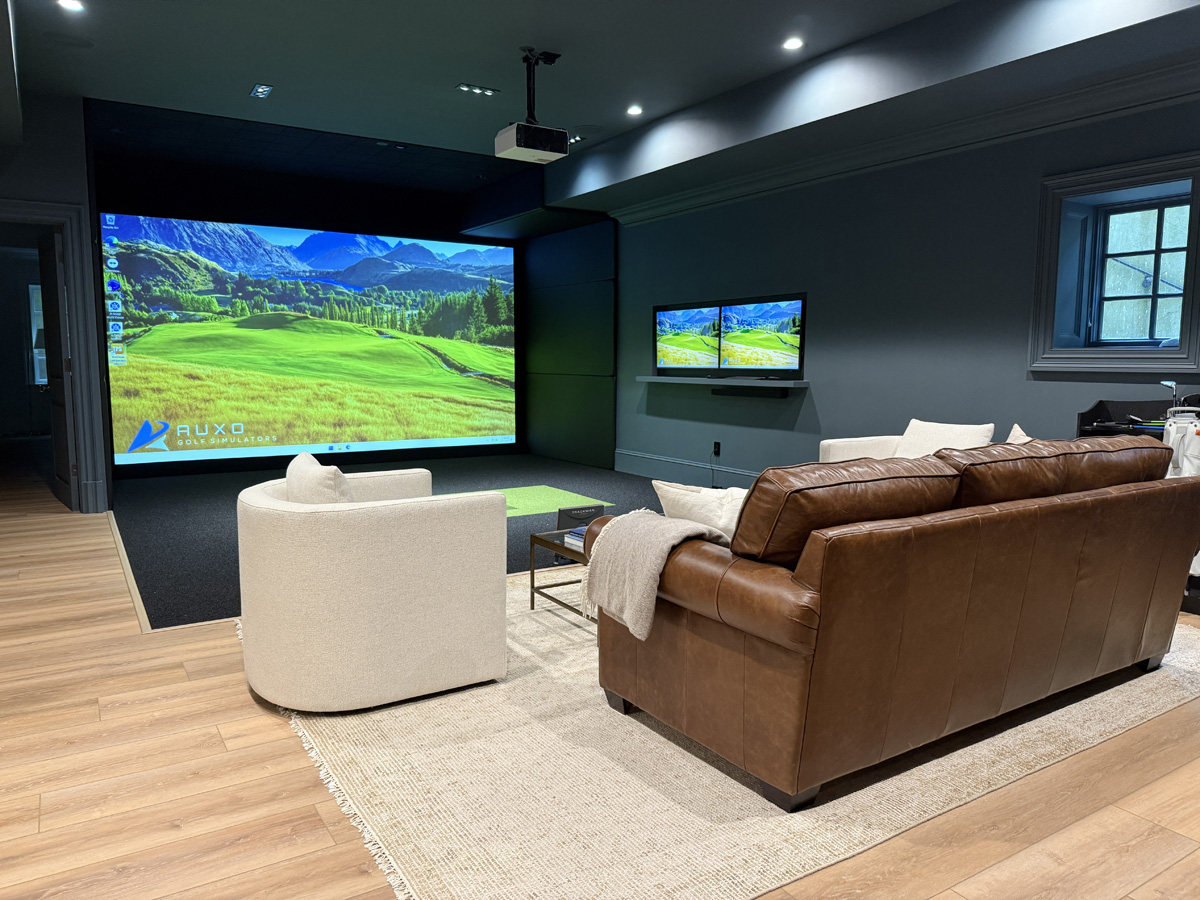
See how these details come together in real projects
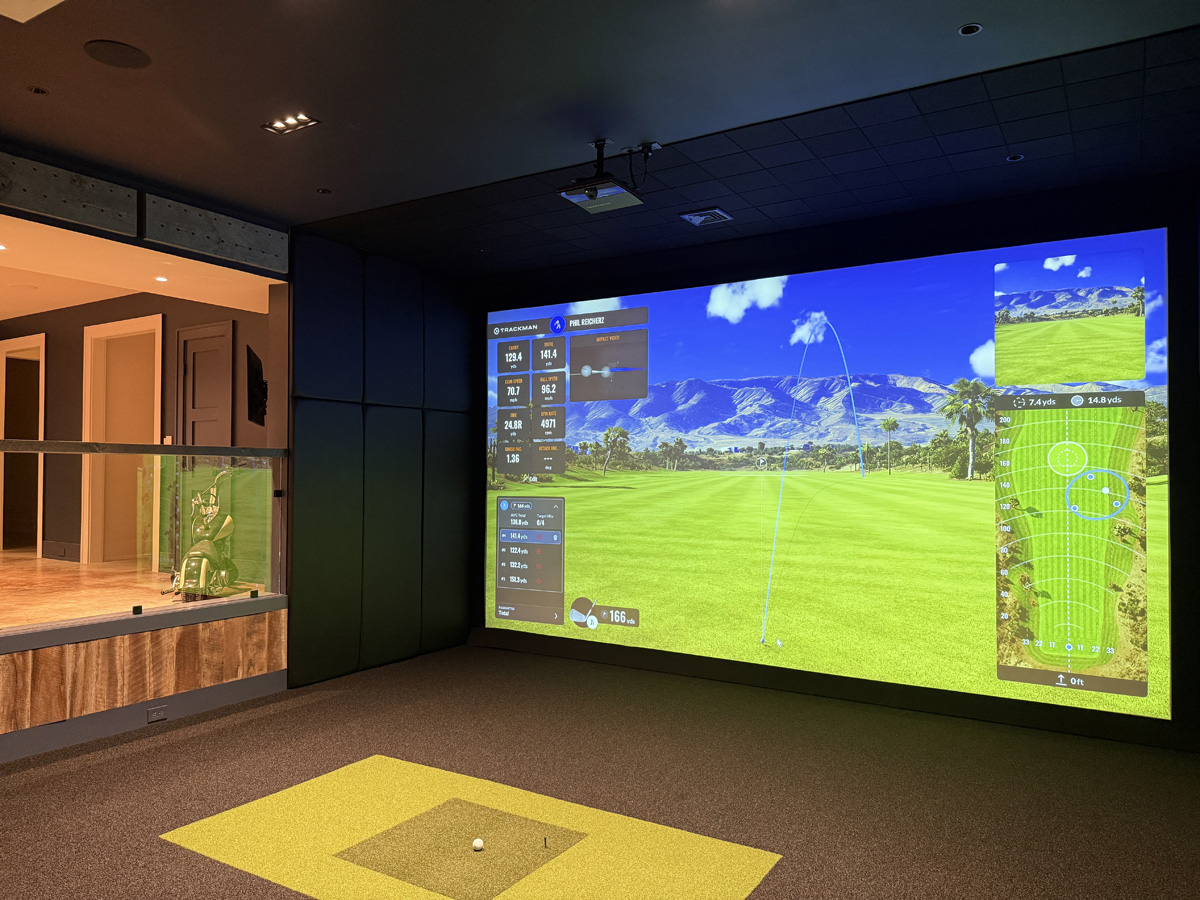
The difference between a good setup and a great one comes down to these hidden decisions. When everything is planned and installed with intention, the result is a space that performs at a high level and feels just as good to use. If you want to see how these details come together in real builds, take a look at our golf simulator projects to get a better sense of what is possible.
Ready to build it the right way
If you are thinking about adding a simulator to your home, the details matter more than you might expect. Getting them right from the start saves you from frustration later and ensures the space actually delivers on performance. If you are ready to plan your setup the right way, reach out and we will help you design a system that works exactly how it should.
Some of our work