


Golf Simulator Blog
Free tips & advice for your home golf simulator
What Actually Makes a Golf Simulator Feel Realistic?
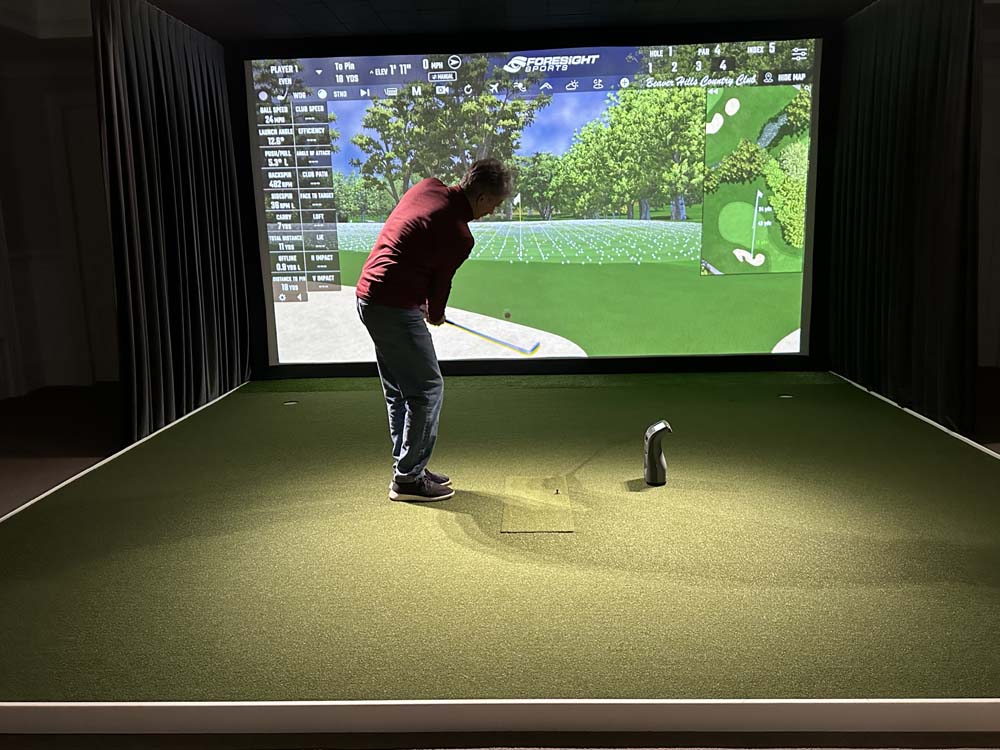
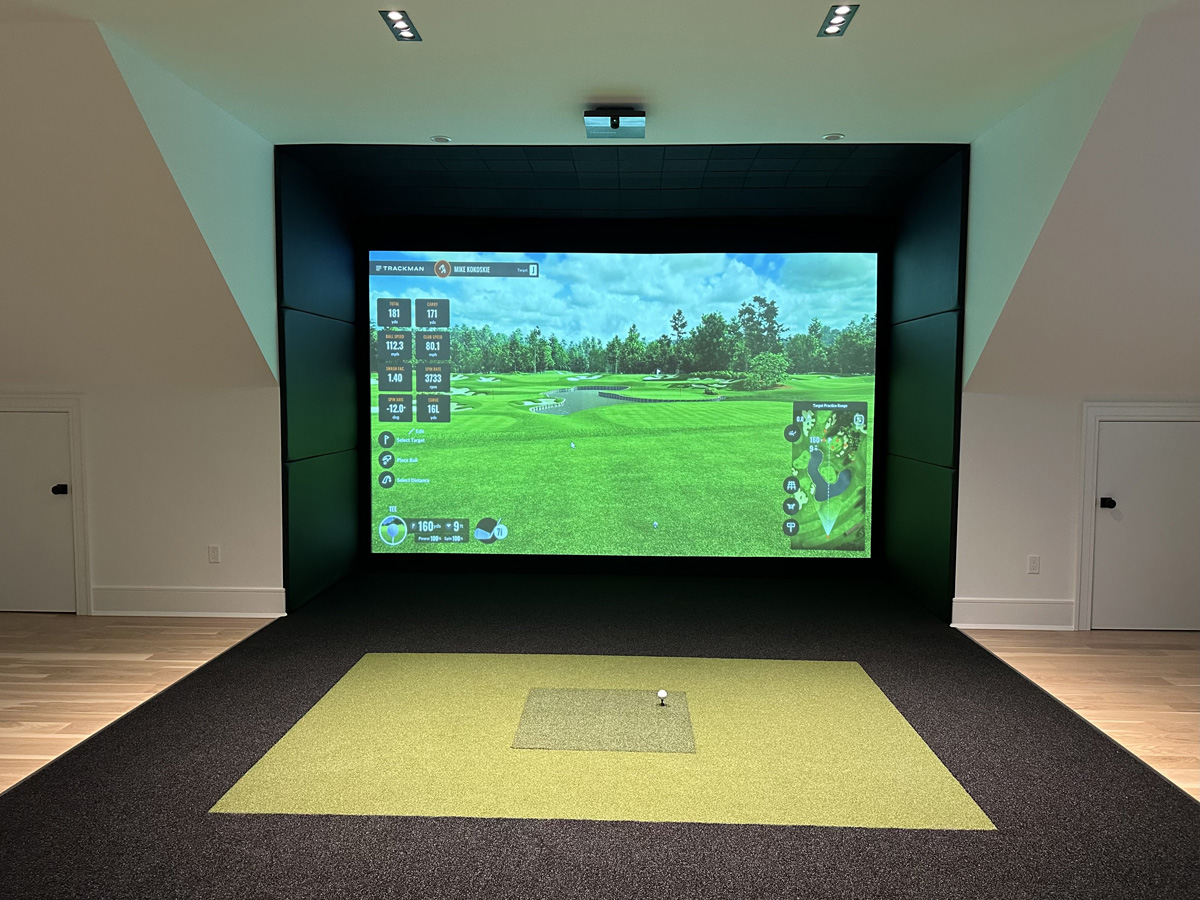
Most people assume a golf simulator feels realistic because of the launch monitor. That is part of it, but it is far from the full story. Realism is created by how every component works together, from what happens at impact to what your eyes, ears, and body experience in the room. Miss one detail and the entire setup starts to feel like a video game instead of a serious training environment. When everything is done right, the simulator stops feeling like a simulator at all and starts feeling like golf.
Latency and system response time
One of the fastest ways to ruin immersion is delay. When you swing, your brain expects instant feedback. If the ball flight appears even a fraction of a second late, it creates a disconnect that experienced players immediately notice. A responsive system tracks the club and ball, processes the data, and displays results so quickly that it feels automatic. This is a big reason understanding how a golf simulator works matters more than just choosing a popular brand.
Why timing matters more than raw data
You can have all the swing data in the world, but if the response feels sluggish, confidence drops. Good timing builds trust. Bad timing makes players second guess every swing.
System integration makes the difference
Latency is not just about the monitor. It is about the computer, software optimization, and how the system is configured. Many accuracy issues trace back to overlooked setup details that show up later, similar to the problems outlined in common simulator build mistakes.
Lighting that matches real world conditions
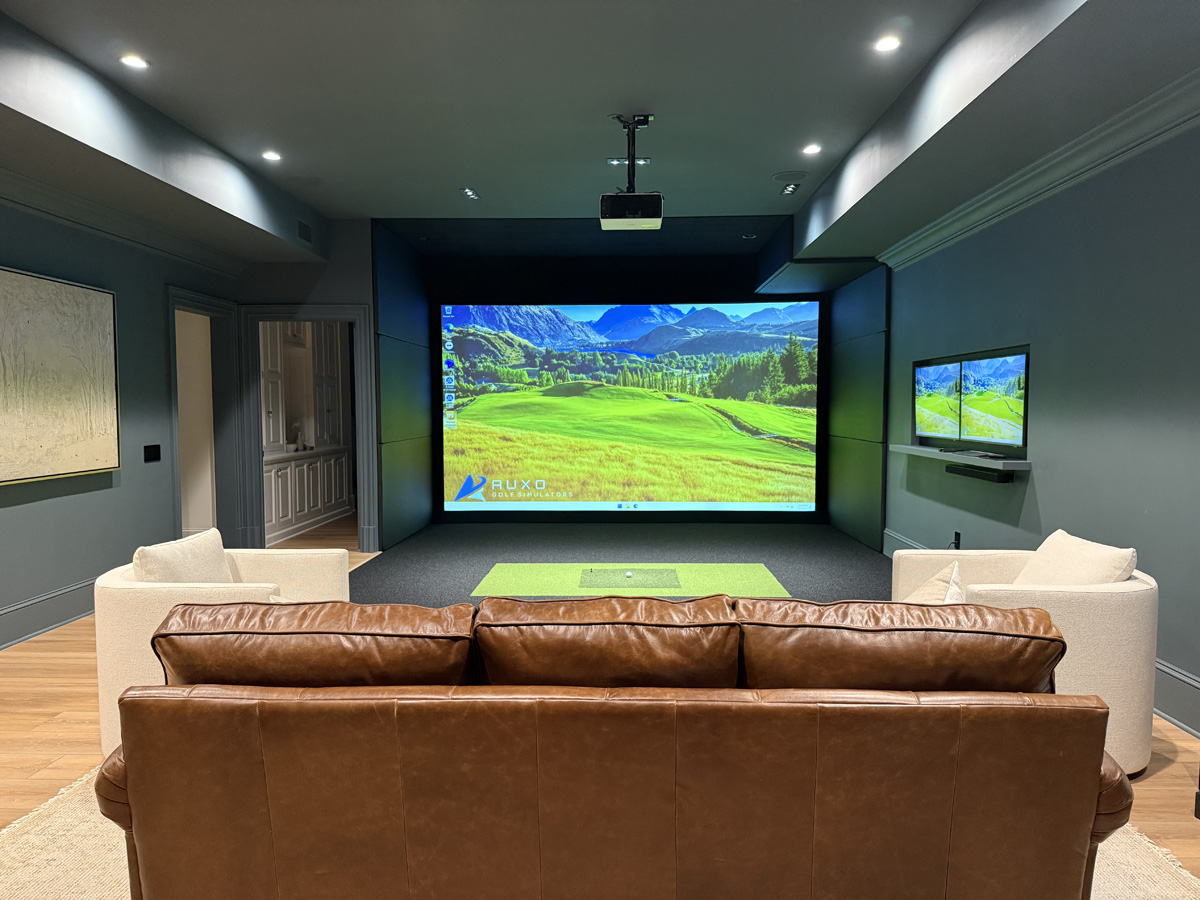
Lighting plays a much bigger role than most people expect. Poor lighting causes shadows, glare, or washed out visuals that distract your eyes and interfere with tracking. A realistic simulator uses balanced, controlled lighting that keeps the hitting area evenly lit while allowing the screen image to stay crisp and readable.
Why overhead lights alone do not work
Standard room lighting often creates harsh shadows on the ball and club. This can affect tracking accuracy and visual comfort, especially during longer sessions.
Planning lighting early saves headaches later
Lighting should be considered before installation begins, not added after the fact. This ties closely into what homeowners often overlook when reviewing installation planning details, especially in rooms with limited ceiling height.
Sound and acoustics shape the experience
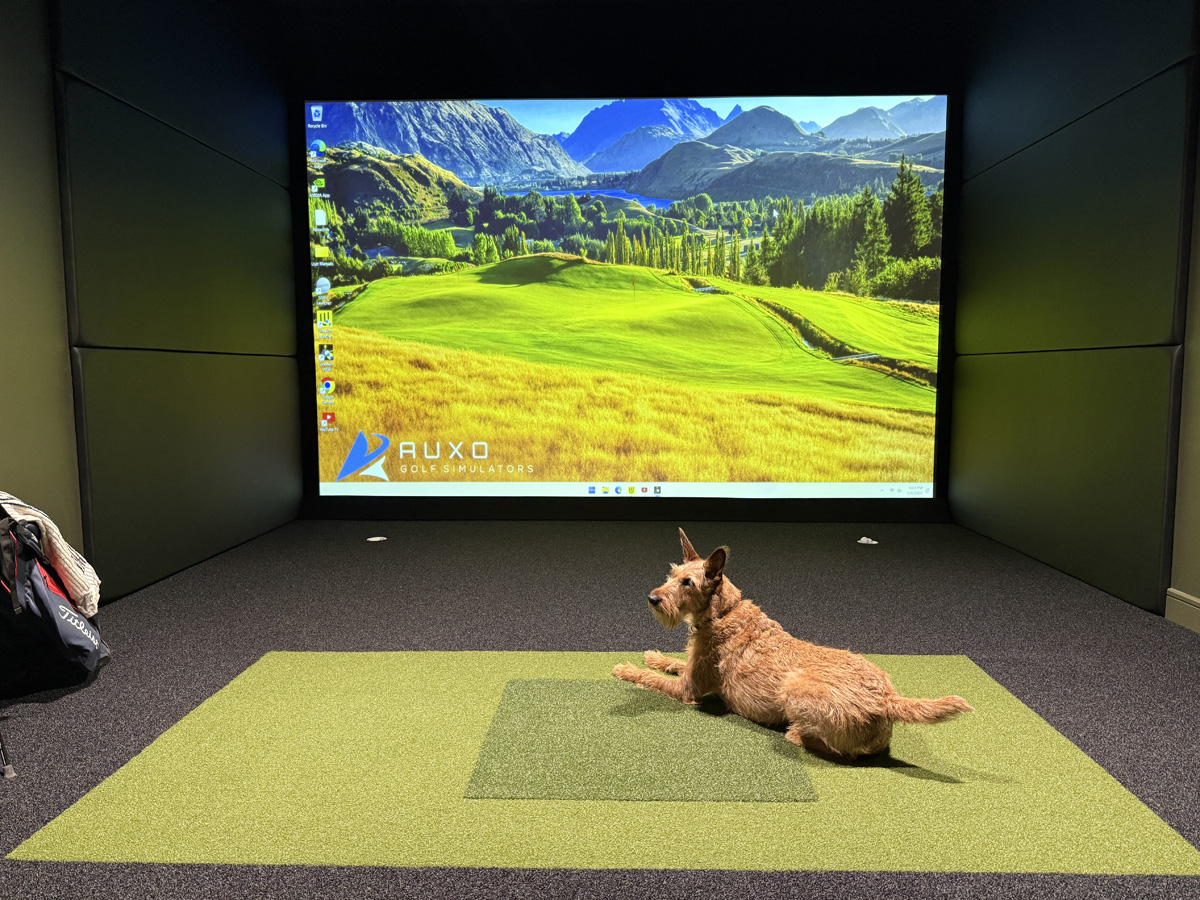
Sound is half of realism, even though it is rarely discussed. The sound of impact, the echo of the room, and the way noise travels through the house all affect how enjoyable the simulator feels. A well designed space controls echo, softens harsh impact noise, and keeps the room comfortable for both the golfer and everyone else in the home.
Echo breaks immersion fast
Hard walls and open ceilings can turn impact noise into a sharp, hollow echo. This makes the space feel unfinished and tiring to use.
Room choice matters more than people realize
Basements, garages, and bonus rooms all behave differently acoustically. Choosing the right location ties directly into considerations covered in where to place a home golf simulator.
Turf interaction and feel underfoot
The moment your feet hit the turf, your body knows if something feels off. Cheap mats can feel overly soft, overly firm, or inconsistent from swing to swing. Realistic turf provides stable footing while allowing the club to interact with the surface naturally.
Why stance and hitting areas should work together
A mismatched stance mat and hitting strip can subtly alter posture and balance. Over time, this affects both performance and comfort.
Component quality shows up over time
Turf is one of the most overlooked parts of a simulator build. Understanding how it fits into the full system is part of knowing what actually goes into a simulator.
Enclosure design and visual immersion
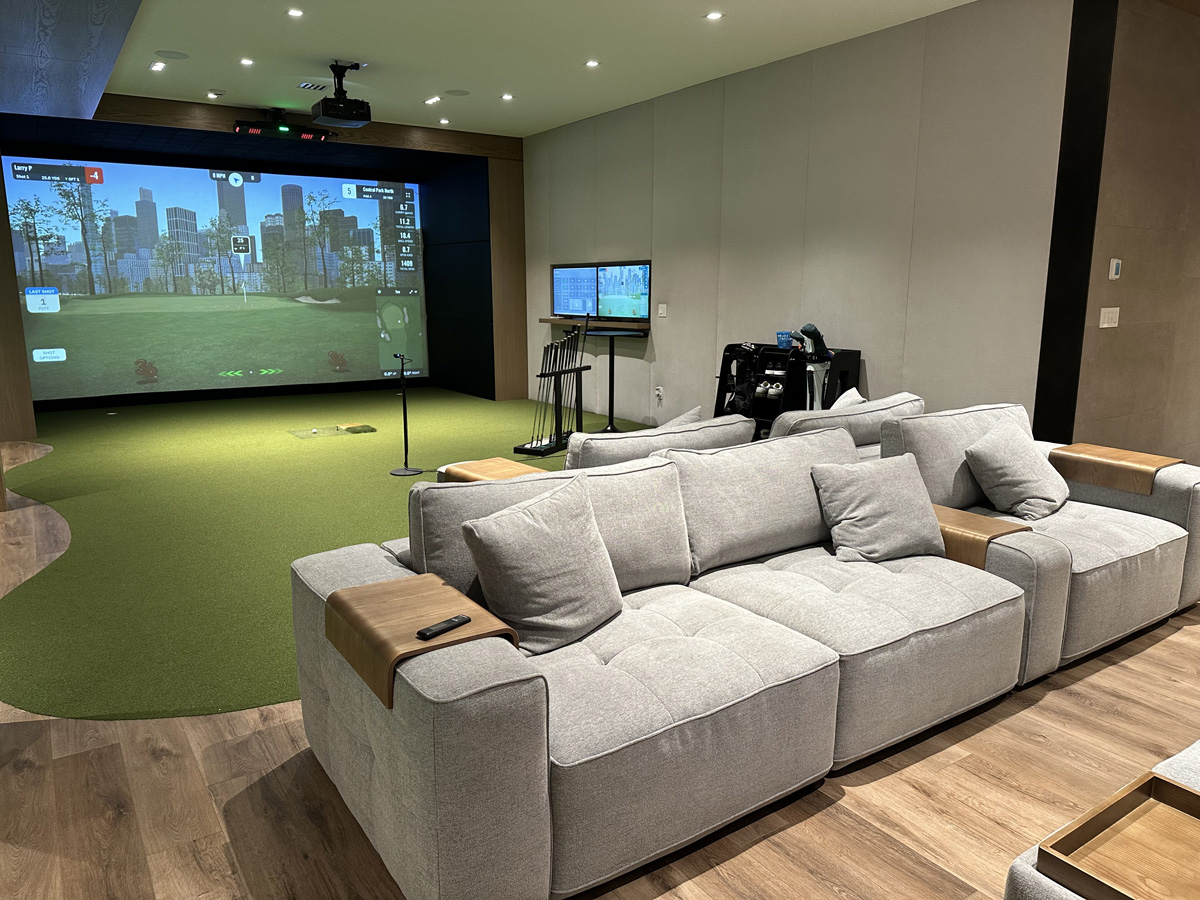
Visual realism is not just about image resolution. Depth perception, screen tension, enclosure shape, and peripheral vision all influence how convincing ball flight looks. A properly designed enclosure removes visual distractions and keeps your focus on the shot.
Why flat walls can feel wrong
Shallow enclosures or poorly tensioned screens flatten ball flight and distort perspective. This is especially noticeable on approach shots and wedges.
Designing for more than just golf
Many modern setups serve multiple purposes. When done correctly, the same design principles that create immersion also allow the room to function beautifully as part of the home, similar to what is explored in dual use simulator spaces.
Calibration separates novelty from credibility
Calibration is where realism is either locked in or lost entirely. Alignment, sensor positioning, and periodic recalibration ensure that what you see on screen matches what actually happened at impact. Two identical systems can perform very differently depending on how well they are calibrated.
Why setup precision matters
Even small misalignments can skew data and visuals enough to change how shots feel. Over time, this erodes trust in the system.
Technology still needs human expertise
Advanced tracking systems rely on proper setup to deliver reliable results. This is why understanding launch monitor fundamentals remains important even with top tier equipment.
Realism comes from the system not a single feature
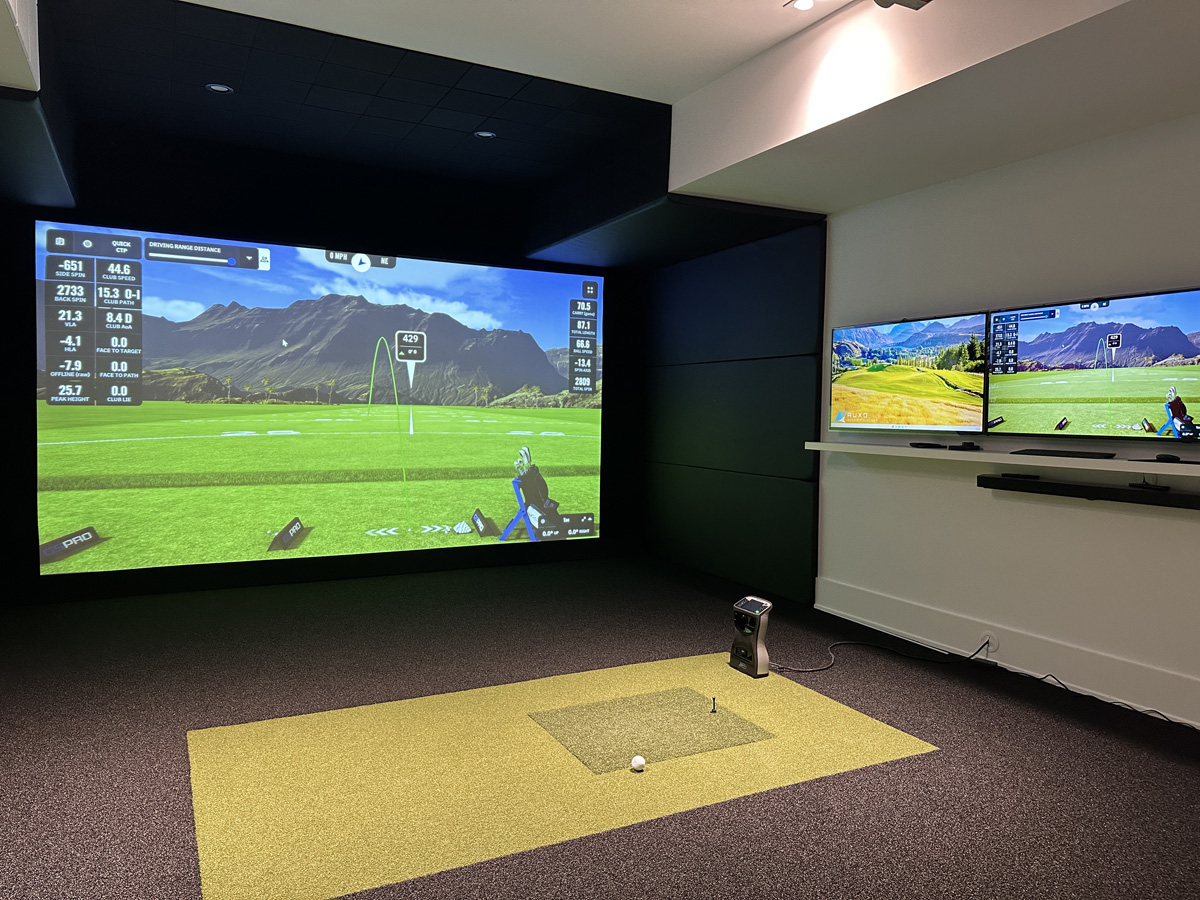
A realistic golf simulator is never the result of one impressive component. It is the product of thoughtful design, precise installation, and careful integration of technology, space, and experience. When every detail works together, the simulator disappears and golf takes over.
If you are considering a system that feels as good to play as it looks, learning more about a professionally designed home golf simulator is the best place to start.
Ready to build something that actually feels real
Let’s talk about your space and how to design a simulator that delivers a truly realistic experience.
Some of our work